October 1, 2026
Without Insurance How Much Is a Doctor's Visit?
Finding the cheapest way to see a doctor without insurance is not as difficult as you might believe. You have many options like Discount Payment Plans (DPPs), Direct Primary Care (DPC), Healthcare Sharing Ministries (HCSMs), and federally regulated health clinics that make healthcare expenses less expensive when you don't have traditional insurance.
When you ask: Without insurance, how much is a doctor's visit? You're likely asking that question because you expect to pay hundreds of dollars out of pocket at full price and want to know how big of a hit it's going to be to your pocketbook. Your costs vary significantly depending on the provider type, your location, and services required. However, if you enroll in a health insurance alternative plan, no insurance doctor visit costs are reduced through pre-negotiated prices. This guide offers a detailed, authoritative look at how uninsured patients can access affordable care, with comprehensive cost breakdowns, negotiation tips, and strategies for finding low-cost clinics and telehealth alternatives.
The Cheapest Way to See a Doctor Without Insurance
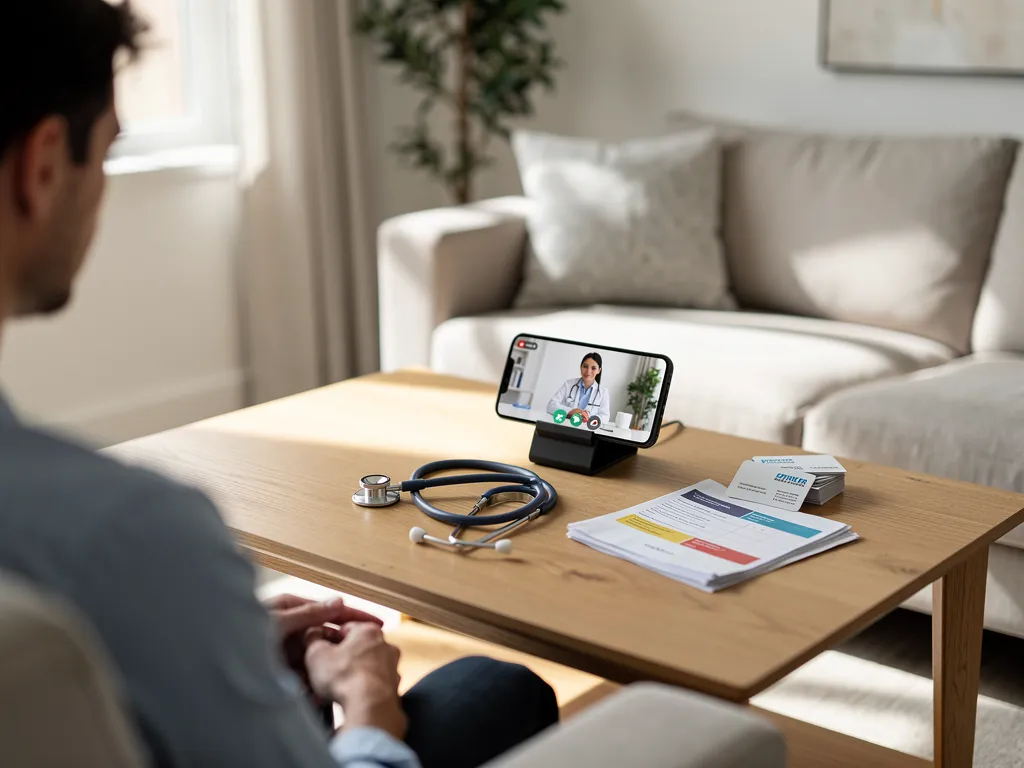 The cheapest way to see a doctor without insurance is by utilizing health insurance alternatives that give you discounts on in-person doctor visits and telehealth, which gives you affordable access to qualified doctors and other health professionals online.
Discount Payment Plans for Primary Care
DPPs (often referred to as medical discount cards or healthcare membership networks) are non-insurance programs that provide pre-negotiated savings for doctor's appointments as well as a host of services. By enrolling in a plan, members gain access to a dedicated network of participating doctors, specialists, imaging facilities, and dental providers who agree to accept fixed, reduced rates.
These plans are specifically designed to reduce out-of-pocket expenses for uninsured individuals or those with high-deductible policies without the complex restrictions of traditional insurance. Joining a discount network gives self-pay patients instant transparency and predictable prices across their entire care journey.
Healthcare Sharing Ministries for Primary Care
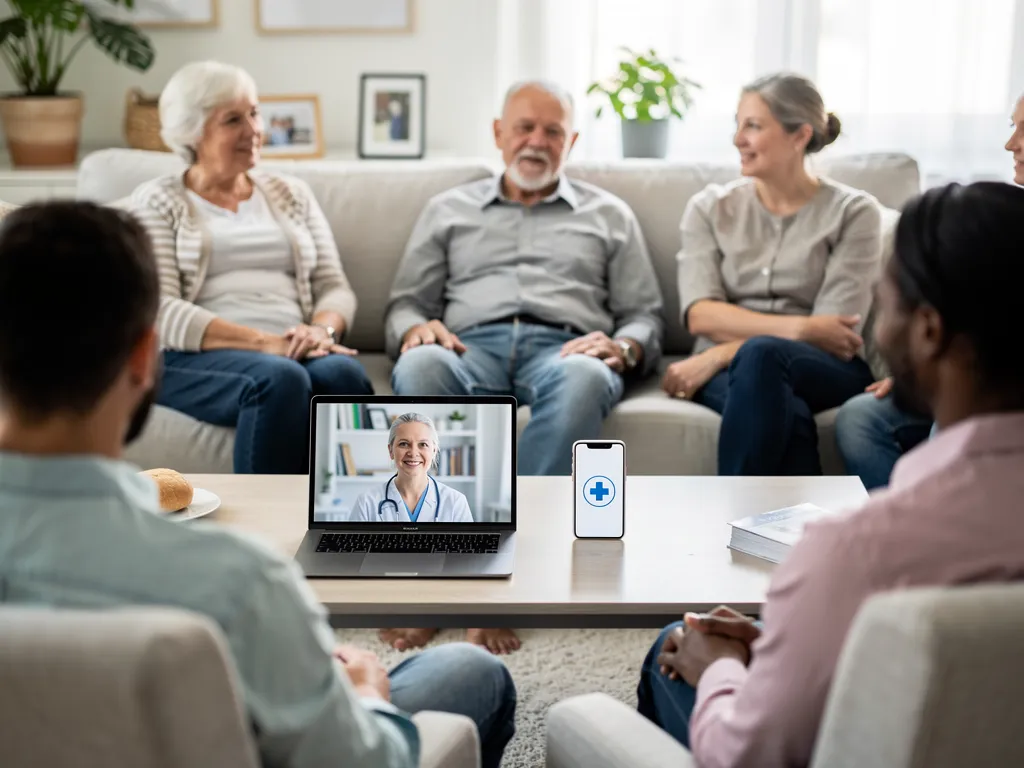 Healthcare sharing ministries operate as cooperative, community-based alternatives to traditional health insurance where members voluntarily pool funds to assist with one another's medical expenses. While these were traditionally faith-based programs like Christian healthcare ministries, they have now evolved to include secular healthshare ministries. These programs were historically designed around catastrophic medical events, many modern ministries actively integrate structured pathways for routine and day-to-day primary care in the form of telehealth.
Members pay a set monthly sharing contribution that is significantly lower than commercial insurance premiums, making ongoing health maintenance accessible without conventional insurance overhead. Primary care within a healthcare ministry is typically addressed through member-negotiated cash rates, telehealth partnerships, or designated annual wellness allowances. They don't often pay for a routine doctor visit without insurance, but instead offer virtual care through telehealth programs as an alternative.
For in-person evaluations, members present as self-pay cash patients to independent primary care physicians and submit their itemized receipts for direct community sharing or reimbursement once qualifying thresholds are met.
Direct Primary Care
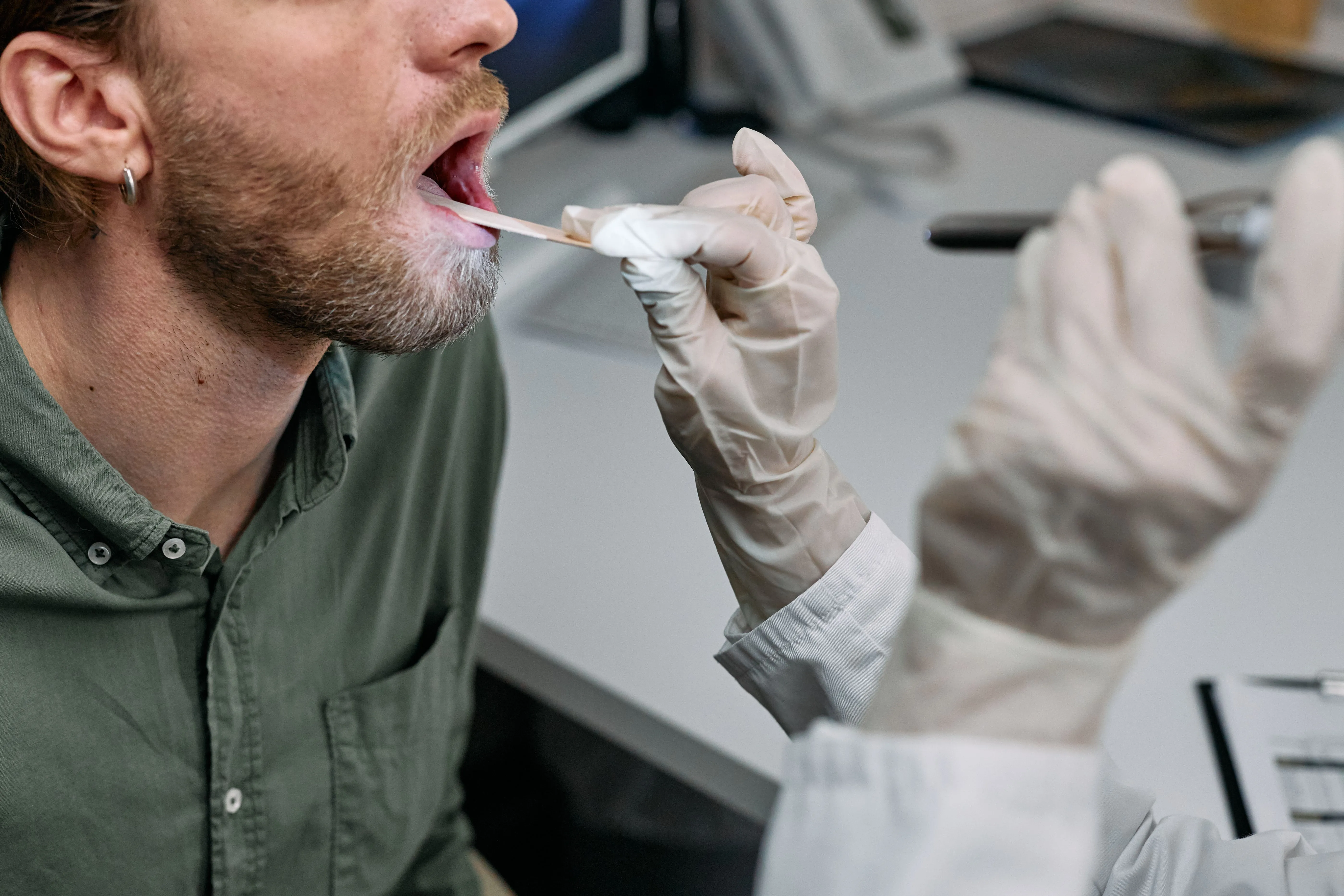 The direct primary care option is an innovative healthcare delivery model that operates completely outside the traditional, fee-for-service insurance system. Instead of billing third-party insurance payers for individual visits, tests, or procedures, DPC practices charge patients a predictable, flat monthly or annual membership fee to access primary care at their clinic. This subscription model covers comprehensive primary care services including routine checkups, acute illness evaluations, chronic disease management, and basic in-office procedures with zero copays or hidden consultation fees.
One of the standout benefits of a direct primary care provider provider is significantly enhanced patient access and personalized attention. DPC doctors typically manage panels of 300 to 600 patients compared to 2,000 to 3,000 patients in conventional insurance-based practices. They can offer same-day or next-day appointments with little to no waiting room delays.
Appointments generally last 30 to 60 minutes, giving patients ample time to discuss underlying health concerns, lifestyle goals, and preventive wellness strategies. Additionally, members gain direct communication access to their personal physician via secure text messaging, phone calls, email, and virtual telehealth consults, often resolving health issues quickly without requiring an in-person office visit.
Telehealth Networks
Telehealth has fundamentally transformed how uninsured patients access prompt medical consultations. Online medical platforms connect you with board-certified physicians via secure video or phone calls within minutes. Providers can diagnose illnesses, recommend recovery plans, and transmit electronic prescriptions directly to your local pharmacy. This streamlined operational model delivers substantial savings directly to self-pay consumers.
 Virtual visits are particularly well-suited for treating respiratory infections, allergies, urinary tract infections, and skin conditions. Patients managing ongoing maintenance medications can also utilize telehealth to secure routine 30-day or 90-day refills. Because virtual providers maintain low administrative overhead, they pass significant cost efficiencies directly on to you. You receive comprehensive, licensed medical oversight without paying for traditional clinical facility overhead.
When selecting a virtual platform, prioritize transparent providers that charge a flat per-visit fee without mandatory monthly subscription locks. Verify that the platform's medical staff holds active licensing within your specific state of residence. Ensure the service includes complimentary digital follow-up messaging in case symptoms persist after your initial consult. Telehealth remains the fastest, most economical choice for resolving common non-emergency health concerns.
Retail Walk-In Clinics for Immediate In-Person Care
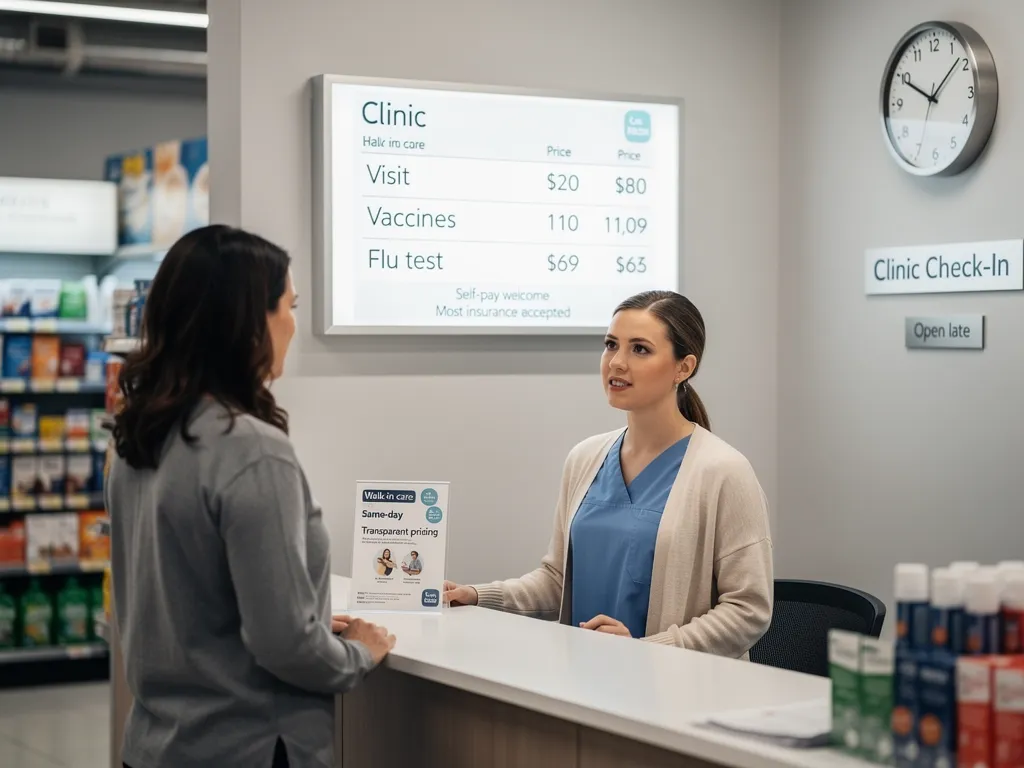 Retail walk-in health clinics provide an exceptional blend of convenience, rapid access, and transparent pricing. Located within major pharmacies and retail grocery stores, these clinics operate extended evening and weekend hours. Staffed by licensed nurse practitioners and physician assistants, they manage common acute medical conditions expertly. Transparent, printed service menus eliminate guesswork regarding your expected out-of-pocket costs.
Patients commonly utilize retail clinics for routine health screenings, employment physicals, immunizations, and minor infections. Diagnostic tests like strep throat screens and flu swabs are conducted on-site with rapid results provided during the visit. Most retail clinic websites feature live wait-time trackers and digital appointment check-in queues. This transparency allows you to budget both your time and financial resources effectively.
Retail clinics provide a dependable alternative when you require immediate in-person physical assessment without emergency room costs. Because pricing is standardized across entire retail chains, you avoid regional administrative price variations. If your condition requires higher-level specialist intervention, retail clinics provide direct referrals to local medical networks. They deliver an accessible, structured, and predictable entry point into outpatient healthcare.
Community Clinics Near You: Sliding-Scale Care Based on Income
Locating an affordable no insurance clinic near me is one of the most reliable strategies for securing high-quality healthcare on a limited budget. Community health clinics operate specifically to ensure medical access remains available regardless of an individual's insurance status. These facilities receive federal, state, and philanthropic funding to bridge regional healthcare coverage gaps. They provide comprehensive primary, preventive, and chronic disease management services.
Community clinics employ certified medical physicians, nurse practitioners, and dedicated social workers to support patient wellness. Rather than demanding fixed private rates, these centers adjust service costs relative to your verified household income. Uninsured individuals frequently receive complete examinations, diagnostic bloodwork, and vital prescription medications for nominal co-payments. Community-based healthcare facilities deliver robust, continuous care within a supportive, mission-driven environment.
Accessing sliding-scale care requires locating nearby community centers and submitting basic income verification documentation during registration. Most urban and rural counties host several community-supported primary care access points. Enrolling in these local clinic networks establishes a consistent medical home for you and your family. These vital public resources ensure high medical standards remain affordable and accessible.
 ### Federally Qualified Health Centers
Federally Qualified Health Centers (FQHCs) form the backbone of the safety-net healthcare infrastructure across the United States. These community-based organizations receive federal grant funding under Section 330 of the Public Health Service Act to deliver comprehensive care. FQHCs are legally mandated to serve all patients regardless of their ability to pay or health insurance status. They adhere to stringent federal clinical quality benchmarks while maintaining accessible community locations.
The Health Resources and Services Administration (HRSA) maintains an online directory allowing you to locate nearby FQHCs easily. Searching by ZIP code or city reveals all certified community health centers, satellite clinics, and school-based health stations. These health centers provide comprehensive primary care, pediatric medicine, women’s health, dental services, and mental health counseling. Utilizing the federal HRSA locator is the fastest method to find accredited sliding-scale providers.
FQHCs maintain transparent sliding-fee discount schedules aligned directly with annual Federal Poverty Guidelines. Patients falling below federal poverty thresholds typically pay a nominal administrative fee of $20 to $30 for full primary care visits. Individuals with moderate incomes receive proportional percentage discounts off standard clinical charges. FQHC networks ensure essential medical care remains equitable, affordable, and dignified.
What Documentation to Bring for Discount Approval
Health centers require objective proof of income and household size to assign you to the correct sliding-fee discount bracket. Arriving without proper documentation may result in the clinic assessing standard self-pay fees temporarily. Preparing these essential records in advance ensures instant sliding-fee approval.
Clinics evaluate total household earnings rather than solely examining individual patient wages. Accepted verification items include recent pay stubs, W-2 forms, or your most recently filed federal tax return. If you are self-employed or work within the cash economy, a signed letter of earnings or bank statement often suffices. Patients experiencing temporary zero-income status can submit a standardized self-declaration form supplied by the clinic.
Understanding the Cost Breakdown: Provider Type Comparisons
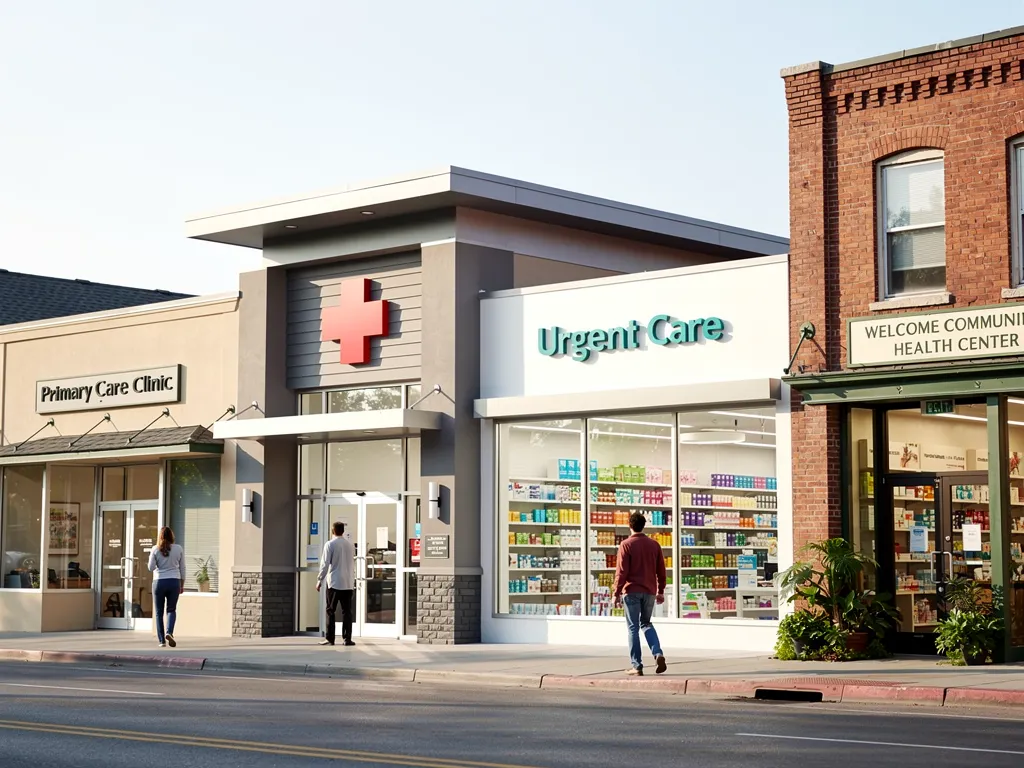 When asking no insurance how much is a doctor visit, it's crucial to consider the type of healthcare provider you visit, as prices can vary widely.
| Care Type | Average Costs | Care |
|---|---|---|
| Primary Care Physician | $40 - $300+ | Routine check-ups, physicals, chronic condition management |
| Urgent Care Centers | $100 - $200+ | Minor injuries, infections, x-rays, basic lab work |
| Retail Clinics | $50 - $150+ | Vaccinations, minor illness treatment, health screenings |
| Community Health Centers / FQHCs | Sliding scale fees based on income* | Primary and specialty care, preventive services |
| Telehealth Services | $40 - $90+ | Virtual consultations for acute minor conditions |
| Emergency Room | $500 - $3,000+ | Severe injuries, emergencies, advanced diagnostics |
*Sliding scale fees at Community Health Centers and FQHCs vary by income and family size, ensuring care affordability.
No Insurance Doctor Visit Cost Tips
 No insurance doctor visit costs can be significantly reduced by utilizing DPPs, DPCs, HCMSs, and community clinics, which can provide you with discounted primary care visits. If you haven't had a chance to sign up for a plan and need to pay out of pocket. Use the following steps.
- Introduce yourself and your situation.
- Ask about available discounts.
- Request a prompt-pay discount.
- Confirm total costs and additional fees if applicable.
- Negotiate if possible
- Check with several clinics before making your decision.
Navigating healthcare without insurance how much is a doctor's visit questions can feel overwhelming, but understanding your options empowers you to make informed decisions. By comparing providers, using sliding scale clinics, leveraging telehealth, and negotiating cash prices, uninsured patients can access quality care without breaking the bank, no matter your insurance status.
MedBlue is a discount payment plan that provides members with a platform where you can find vetted doctors in your area who offer discounted cash pay prices for visits. The plan, which you can pay for monthly or annually, also gives you free 24/7 telehealth for routine healthcare visits that might not need an in-person visit. The doctor can advise you if you need an in-person visit based on the symptoms you share. If you have a routine issue, like a cold, they will be able to consult with you online, without you having to go in to see a doctor. You can review prices for MedBlue, which start at $49 a month. If you have further questions, you can contact a member of our friendly primary care team.
FAQs
How much does a doctor visit cost without insurance?
Costs for a doctor visit without insurance vary by provider but generally range from $40 to $300 for primary care visits. Urgent care is typically $100-$200, and retail clinics $50-$150. Emergency room visits are often several hundred to thousands of dollars.
What is the cheapest way to see a doctor without insurance?
For many minor health issues, telehealth visits, typically $40 to $90, represent the cheapest way to see a doctor without insurance because they avoid facility fees and travel costs.
Where can uninsured patients find affordable care?
Community health centers and FQHCs offer sliding scale fees based on income, making them an affordable option. Membership-based platforms like Medblue provide transparent pricing and regular access without needing insurance.
Can I negotiate my no insurance clinic near me doctor visit cost?
Yes. Many clinics offer prompt-pay or cash discounts for uninsured patients. Calling ahead and politely requesting pricing and discounts can result in significant savings.
Are lab tests included in the cost of a doctor's visit without insurance?
Often, lab tests are billed separately and can add $29 to $99 or more per test. It's important to ask for a full breakdown of potential costs before the visit to avoid surprises.
Are walk-in clinics a good option without insurance?
Walk-in and retail clinics are convenient and cost-effective for minor illnesses and injuries. They typically cost less than urgent care or emergency rooms and provide predictable pricing.
What should I consider when choosing between telehealth and in-person visits?
Telehealth works well for non-emergency issues like colds, allergies, and medication refills. However, for physical exams, diagnostic tests, or complex conditions, in-person visits may be necessary.
Can a private doctor refuse to treat you if you don’t have health insurance?
Private medical practices retain the legal right to decline service to uninsured patients who cannot pay upfront fees. Unlike hospital emergency departments, private outpatient clinics are not legally obligated to provide non-emergency medical care under federal EMTALA regulations. However, many private practices welcome self-pay patients who settle their consultation charges at the time of service. Always confirm self-pay policies with the clinic's administrative staff prior to scheduling your visit.
Are laboratory tests and diagnostic X-rays included in the base cash visit price?
Base consultation fees cover only the physician's clinical assessment and standard physical examination. Diagnostic blood panels, point-of-care throat swabs, urine tests, and X-ray imaging are billed as separate, additional items. Many clinics partner with discounted laboratory networks to provide reduced cash rates for uninsured patients. Always request an itemized price quote for all recommended diagnostic tests before consenting to procedures.
How can I get routine prescription refills without paying for an expensive office visit?
Virtual telehealth platforms provide fast, affordable prescription renewals for non-controlled maintenance medications starting at $35 to $50. Online clinicians review your medical history and transmit electronic refills directly to your preferred local pharmacy. Additionally, community health centers offer sliding-scale nurse-managed clinics to handle ongoing medication renewals affordably. Utilizing these digital and community services prevents costly, unnecessary office visits for standard prescription maintenance.
Finding the cheapest way to see a doctor without insurance is not as difficult as you might believe. You have manyoptions like Discount Payment Plans (DPPs), Direct Primary Care, (DPC), Healthcare Sharing Ministries (HCSMs), and federally-regulated health clinics that make healthcare expenses, less expensive when you don't have traditional insurance.