October 9, 2026
What's the Difference Between Urgent Care, ER, and Walk-In Clinics When You Don't Have Insurance?
If you are trying to understand between urgent care or ER, or even a walk-in clinic and you don't have insurance, the answer to which place is best depends on your immediate need. These facilities offer various options catering to different medical needs, and knowing when to visit each can save you time and money.
In this article, we will explore questions like, how much is urgent care without insurance? And the cost variations associated with urgent care, ER visits, and walk-in clinics, as well as the payment methods available for uninsured patients. This knowledge will empower you to make informed decisions about your healthcare.
 Medical care can be costly, and uninsured medical costs for urgent care, ER visits, and walk-in clinics can add up fast. Uninsured individuals often face significant expenses, making it essential to know what options exist and how to minimize costs. We will dive into the specific situations in which each type of care is appropriate, highlight how you can pay for these services without insurance, and provide insights into finding affordable walk-in clinics in your area.
What Are the Cost Differences Between Urgent Care, ER, and Walk-In Clinics Without Insurance?
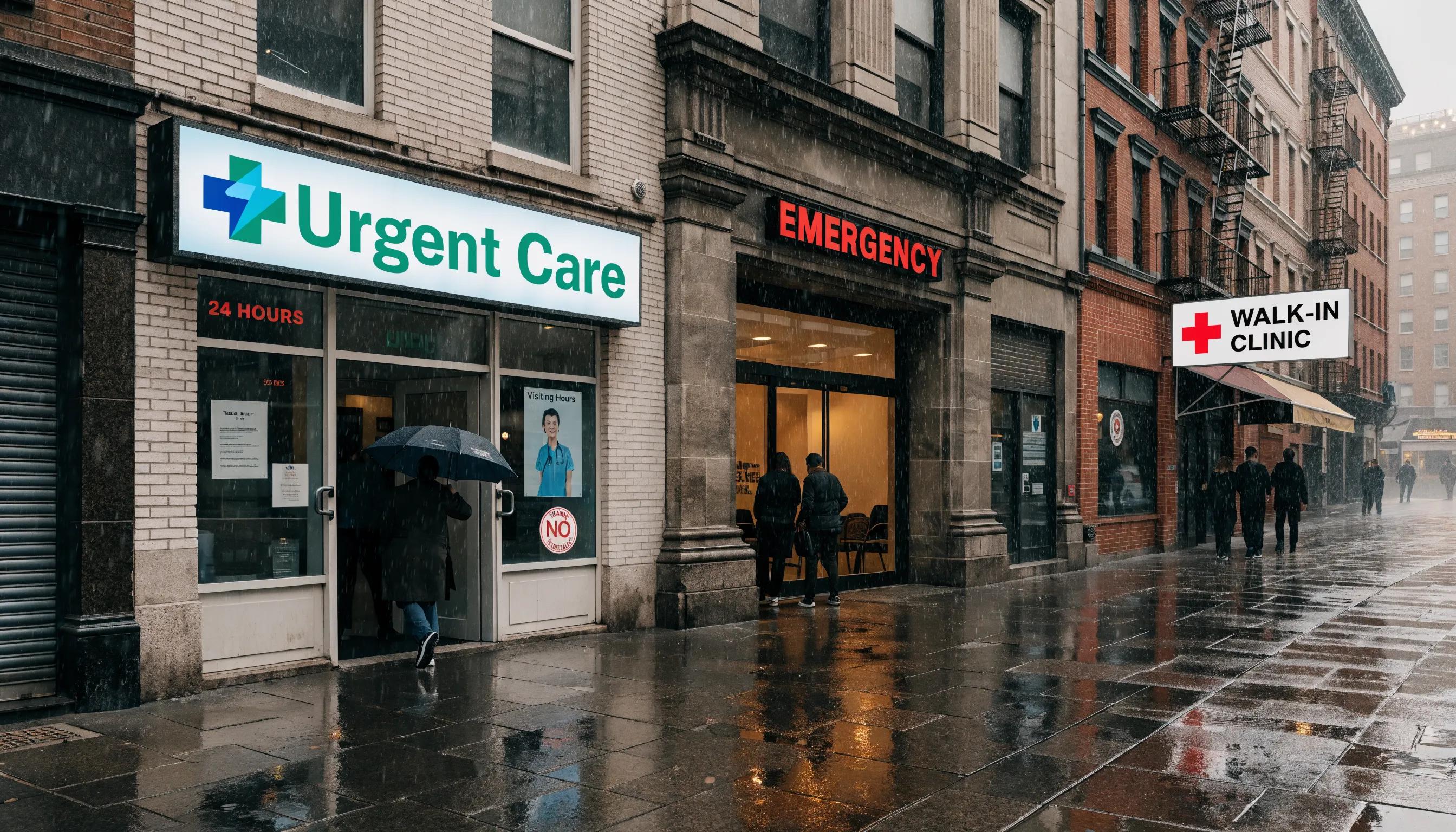 Cost considerations are critical when choosing between various medical facilities. Understanding the financial implications of each option can guide you in making the best decision for your health and wallet.
How Much Does Urgent Care Typically Cost Without Insurance?
Urgent care centers generally provide services at a lower cost compared to emergency rooms. Without insurance, a typical urgent care visit may range from $100 to $300, depending on the location and the services required. These centers are designed to handle non-life-threatening conditions, such as minor injuries, infections, and illnesses. While urgent care facilities may charge less than emergency services, patients should still be aware of potential additional fees for specific treatments or procedures.
What Are Emergency Room Visit Costs Without Insurance?
The emergency room cost without insurance is significantly higher than other options, typically starting around $1,200 and potentially climbing much higher for serious cases. ER services include comprehensive care for life-threatening situations, requiring advanced resources and specialists. Various factors, such as the severity of the condition and necessary tests, can inflate these charges. For those uninsured, understanding when to utilize ER services versus urgent care can significantly impact medical costs.
Cost Comparison: Urgent Care vs. ER vs. Walk-In Clinics (Without Insurance)
Facility Type | Typical Cost Range | Best For |
|---|---|---|
Walk-In Clinic | $75 – $150+ | Minor illnesses, immunizations, basic physical exams |
Urgent Care | $100 – $300 (up to $500+ with X-rays, labs, or stitches) | Non-life-threatening injuries, infections, diagnostic tests |
Emergency Room | $1,200 – $3,000+ (can exceed $10,000 for complex care) | Life-threatening conditions, severe trauma, critical symptoms |
When Should You Choose Urgent Care, ER, or Walk-In Clinics Without Insurance?
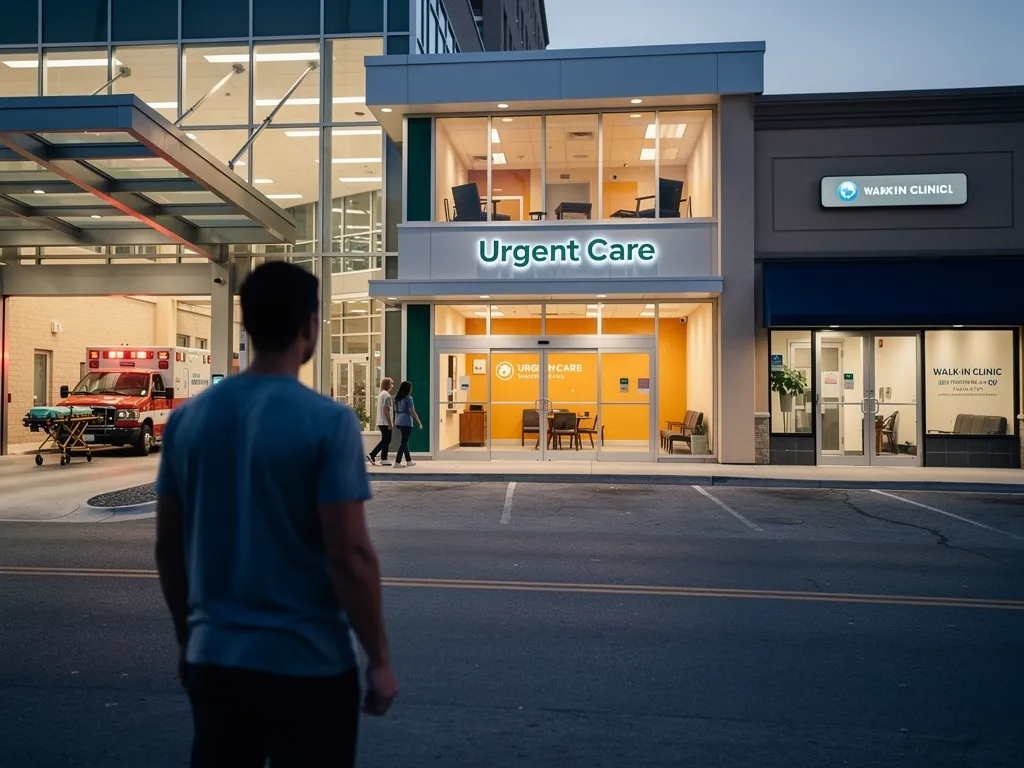 Choosing the right facility requires assessing the medical situation and knowing where to go for appropriate care. Whether it's an emergency clinic no insurance requirement, or a service tailored to different health issues and urgency levels.
What Medical Issues Are Best Treated at Urgent Care Centers?
Urgent care centers are best equipped to handle non-emergency health concerns that require immediate attention, including:
- Minor Injuries: Sprains, fractures, and cuts that do not require surgical intervention.
- Illnesses: Conditions such as cold, flu, and ear infections.
- Diagnostic Services: X-rays and laboratory tests for quick results.
These facilities often provide extended hours, making them accessible when primary care offices are closed. Recognizing which ailments are suitable for urgent care can lead to timely and cost-effective treatment.
When Is Emergency Room Care Necessary Instead of Urgent Care or Walk-In Clinics?
Emergency rooms are appropriate for serious medical situations, including the following.
- Life-Threatening Conditions: Heart attacks, strokes, and severe trauma.
- Severe Symptoms: Uncontrollable bleeding, difficulty breathing, or high fever.
- Critical Injuries: Head injuries, major fractures, and significant burns.
When faced with potential life-threatening health problems, it is crucial to go to the ER immediately rather than risk waiting in an urgent care setting. ER cost without insurance can be significant, and so prior to going you should have funds in place, or an effective alternative health plan to reduce your costs.
How Can You Pay for Medical Care Without Insurance?
 There are several ways to manage medical expenses without insurance. Awareness of available payment options can help mitigate financial stress in times of need.
What Affordable Payment Options Do Medblue Membership Plans Offer?
Medblue offers various membership plans tailored for uninsured and underinsured individuals. These plans provide access to discounted medical services, prescription drugs, and other healthcare solutions. With Medblue, you can significantly reduce out-of-pocket medical costs, making healthcare more accessible. The membership enrollment process is straightforward, ensuring that individuals can quickly gain access to necessary services.
How Can Negotiation and Transparent Pricing Reduce Out-of-Pocket Medical Costs?
Patients can reduce their medical expenses by negotiating prices with healthcare providers. Many facilities are willing to work with patients to arrive at an affordable payment plan. Additionally, seeking out transparency in pricing before receiving services allows for informed financial decisions and can lead to substantial savings on medical bills.
Where Can You Find Affordable Walk-In Clinics Near Me?
Finding a walk-in clinic without insurance nearby can ensure quick and suitable access to medical care without breaking the bank. Critical insights regarding cost and service comparison can assist in making the right choice.
How Do Walk-In Clinics Differ in Services and Costs Compared to Urgent Care and ER?
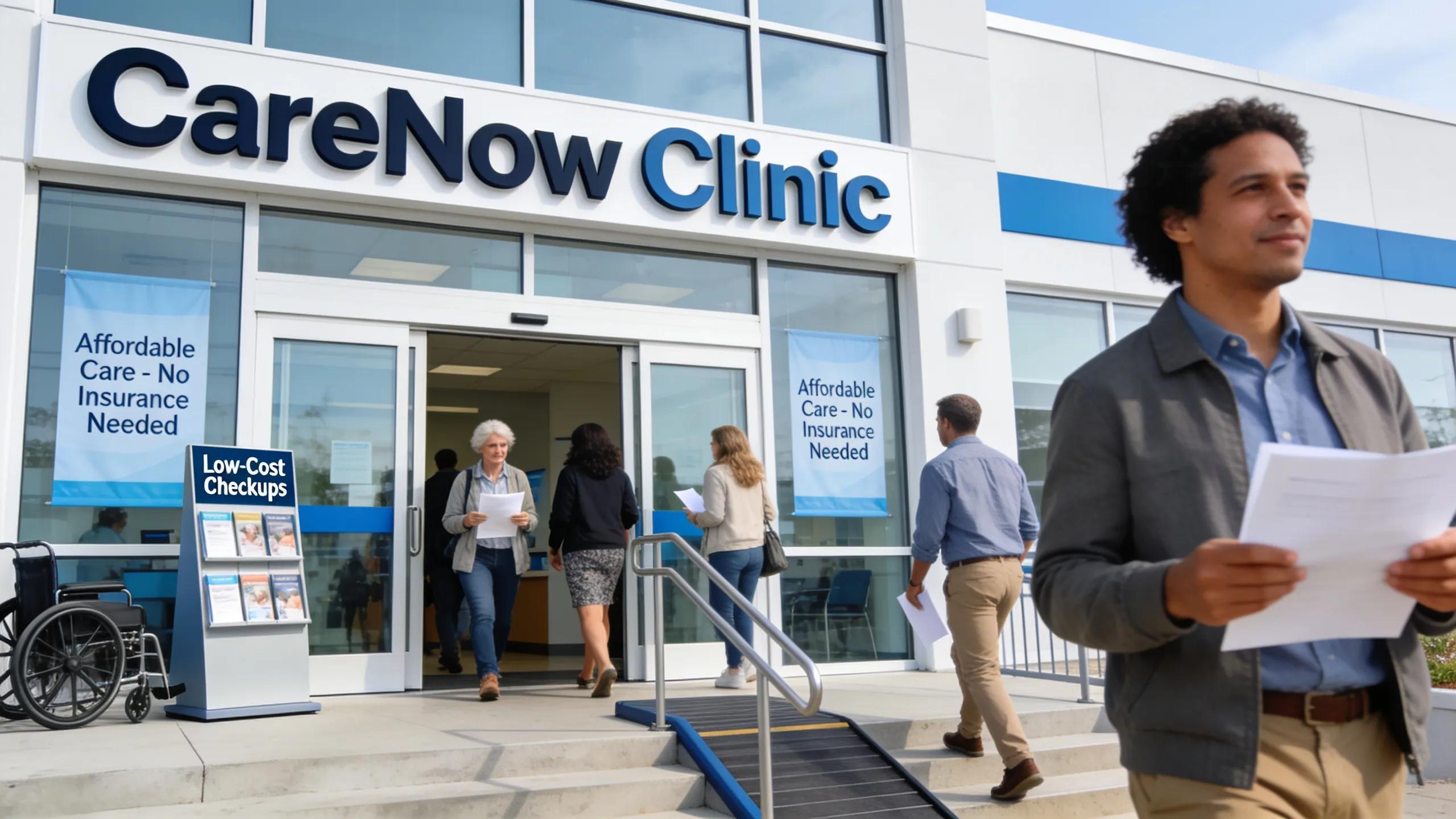 Walk-in clinics often have lower costs than both urgent care and ER facilities, with typical visits ranging from $75 to $150. However, they may provide limited services, such as immunizations, physical examinations, and treatment for minor ailments. Understanding the differences in service offerings and pricing can help patients select the best option for their healthcare needs.
What Should You Consider When Choosing a Walk-In Clinic for Uninsured Care?
When selecting a walk-in clinic, patients should consider several factors:
- Services Offered: Ensure the clinic addresses your medical needs.
- Pricing Transparency: Inquire about the costs of visits and treatments beforehand.
- Location: Choose a conveniently located clinic to avoid delays in care.
By carefully evaluating these aspects, individuals can find a suitable walk-in clinic that offers quality care without overextending their finances.
Wrap-Up
The best provider for you depends on your immediate health concern. If you have a serious emergency that needs immediate care, then an ER might be best. If you have an issue that can be handled by a visit to a doctor, like a cold, then a visit to a walk-in clinic might be the best. Urgent care sits in the middle of those two options and is more expensive than a medical-clinic, but usually less expensive than a visit to the ER if you don't have insurance.
FAQs
Here are important questions related to visiting walk-in clinics, urgent care, and the ER when you don't have insurance. If these questions do not address your concerns, connect with a friendly MedBlue agent who will be happy to answer your questions.
How do typical out-of-pocket costs compare across Walk-In Clinics, Urgent Care, and the ER?
Retail walk-in clinics are the most affordable option, typically charging a flat rate between $85 and $150 for minor illnesses, basic lab tests, and vaccines. Urgent care centers generally cost between $150 and $275 for standard exams, though total bills can reach $300 to $500+ if you require X-rays, lab panels, or stitches. Emergency rooms are by far the most expensive setting, frequently billing $1,500 to over $3,000 for minor visits and exceeding $10,000 for complex care due to high facility fees. Choosing the lowest appropriate level of care saves uninsured patients hundreds or thousands of dollars.
Can an Urgent Care or Walk-In Clinic turn me away if I cannot pay upfront?
Yes, retail clinics and urgent care centers have the legal right to refuse service if an uninsured patient cannot pay at the time of visit. Because they are outpatient facilities, they are not governed by the federal Emergency Medical Treatment and Labor Act (EMTALA).
Most urgent care centers require full payment or a substantial deposit at check-in before you are evaluated. If you cannot afford the upfront cost, staff will typically refer you to a Federally Qualified Health Center (FQHC) or a hospital emergency room.
Does an Emergency Room have to treat me if I am uninsured and have no money?
Under the Emergency Medical Treatment and Labor Act (EMTALA), any hospital emergency department participating in Medicare must provide a medical screening exam and stabilizing treatment regardless of your insurance status or ability to pay. However, treatment in an emergency room is never free. The hospital will generate and send you a detailed bill for physician services, diagnostic testing, and emergency facility fees after you are discharged. If you do not have a true life- or limb-threatening emergency, an urgent care visit will avoid these massive hospital bills.
Why is confusing a freestanding ER with an urgent care clinic costly for self-pay patients?
Freestanding emergency rooms often look identical to urgent care centers in suburban strip malls, but they operate and bill as full hospital emergency departments. An uninsured patient visiting a freestanding ER for a minor condition like a sprain or sore throat will face thousands of dollars in emergency facility charges instead of a simple $150 clinic fee. Unlike urgent care clinics, freestanding ERs are open 24/7 and maintain hospital-grade diagnostic equipment that incurs steep overhead fees. Always ask the front desk whether the facility bills as an urgent care clinic or an emergency department before signing intake paperwork.
What financial relief options exist if an uninsured patient receives a large medical bill?
First, request an itemized bill with standard CPT procedure codes to verify that you were not erroneously charged for services or medications you did not receive. Non-profit hospitals are legally required to offer charity care programs that can reduce or completely forgive ER bills if your household income meets local financial hardship criteria. For both urgent care and ER balances, asking for a prompt-pay or self-pay cash discount can instantly lower your out-of-pocket total by 20% to 50%. You can also negotiate a zero-interest monthly installment plan to keep payments manageable without damaging your credit score.