October 4, 2026
The Cheapest Way to See a Doctor Without Insurance
The cheapest way to see a doctor without insurance is through using health insurance alternatives like telehealth memberships, Discount Payment Plans (DPP), Healthcare Sharing Ministries (HCSMs), community health centers, Federally Qualified Health Centers (FQHCs) and discount lab programs rank among the most affordable paths to care without insurance.
Outside of being connected to a health insurance alternative option, you will need to pay out of pocket, and the best way to find the cheapest way to see a doctor without insurance is to take the time to do your research. The type of provider you choose for your doctor's visit will affect the cost of your visit. And it is a good idea to call providers in your area to ask them about what their cash pay discounts are.
Cost for a doctor visit without insurance varies widely depending on provider and discount access. In this article, you will learn about the cheapest options to see a doctor without insurance and the types of providers you can visit for no insurance care.
Providers That Provide Doctor Visits Without Insurance
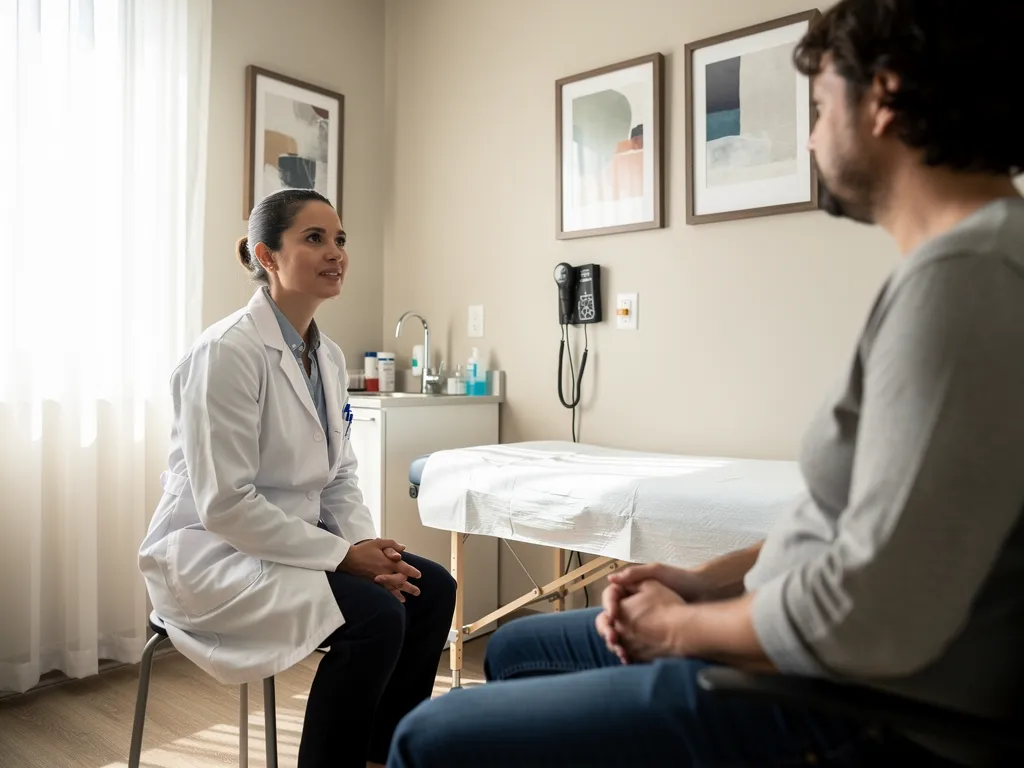 Doctor appointment cost without insurance vary by provider type and each provider is best for different types of needs. Knowing which one fits a given need helps avoid overpaying for a simple concern.
- Doctor's office: Many independent practices offer a self-pay rate for patients without coverage, often lower than what an insurer would be billed.
- Walk-in clinic: Built for quick, non-emergency visits, walk-in clinics post flat cash rates for common concerns like colds, minor injuries, and vaccinations.
- Urgent care center: A step up from a walk-in clinic, urgent care handles more involved issues such as sprains or infections, typically at a higher cash price.
- Community health center: Income-based, sliding-fee clinics that serve uninsured patients regardless of ability to pay.
- Retail and pharmacy-based clinic: Located inside pharmacies or retail stores, these clinics post flat prices for routine concerns and vaccinations.
- Telehealth provider: Connects patients with a physician by video or phone, usually at the lowest cost since there's no exam-room overhead.
How Each Type of Provider Differs
The differences mainly come down to cost, speed, and the complexity of care each is equipped to handle. A doctor's office or community health center suits ongoing or routine care while a walk-in clinic or retail clinic handles quick, simple concerns on a flat-fee basis.
Urgent care centers cost more but can manage issues that need same-day attention and go beyond what a walk-in clinic offers. Telehealth providers are typically a practical first stop for minor concerns before deciding whether an in-person visit is needed or whether the online professional can provide an online prescription.
The provider types covered in this article differ in cost, speed, and the complexity of care they're equipped to handle. Use this comparison to quickly match a scenario to the most affordable option.
Provider Type | Best For | Typical Cost Level |
|---|---|---|
Doctor's Office | Routine or ongoing care with a familiar provider | Moderate (self-pay rate) |
Walk-In Clinic | Quick, non-emergency concerns like colds or minor injuries | Low, flat cash rate |
Urgent Care Center | Same-day issues such as sprains or infections | Moderate to high, flat cash rate |
Community Health Center | Income-based primary and preventive care | Low, sliding-fee scale |
Retail and Pharmacy-Based Clinic | Routine concerns and vaccinations | Low, flat posted price |
Direct Primary Care Clinic | Ongoing care with one doctor on a membership basis | Predictable flat monthly or annual fee |
Telehealth Provider | Minor concerns, prescriptions, and quick consults | Lowest, membership or pay-per-visit |
Doctor's Office
A doctor's office, meaning an independent or small private practice, is often the most familiar setting for care, and many now offer a self-pay rate specifically for patients without coverage. These rates are typically lower than what the same practice would bill an insurance company, since the office skips the administrative cost of filing claims.
How It Works for No Insurance Patients
Patients without coverage can usually call ahead and ask directly about the self-pay or cash price for a visit, which lets them compare costs before scheduling. At the appointment, the office collects payment directly at the time of service rather than billing an insurer, and many practices will also discuss the price of follow-up labs or basic procedures upfront. Bringing a photo ID and, where relevant, proof of income can help patients confirm whether a reduced rate applies.
Walk-In Clinic
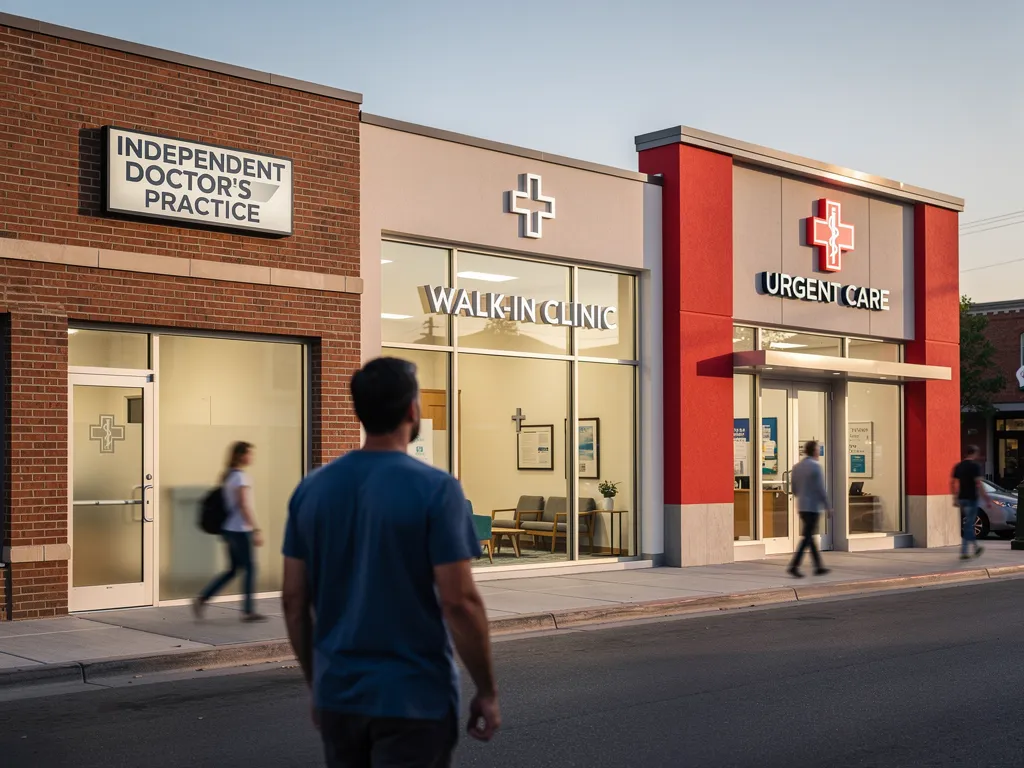 A walk-in clinic is designed for quick, non-emergency visits and typically posts flat cash rates for common concerns such as colds, minor injuries, and vaccinations. Because these clinics see a high volume of straightforward cases, they're often one of the fastest and most predictably priced stops for uninsured patients.
How It Works for No Insurance Patients
Patients without coverage can usually walk in without an appointment and ask upfront about the flat self-pay rate for their concern, which keeps costs clear before any care begins. Payment is collected directly at the clinic at the time of service, and many locations post their cash prices for common visits and tests right at the front desk or online. Bringing a photo ID helps speed up check-in, and asking whether a basic lab or vaccination is included in the posted price can prevent any surprise add-ons.
Urgent Care Center
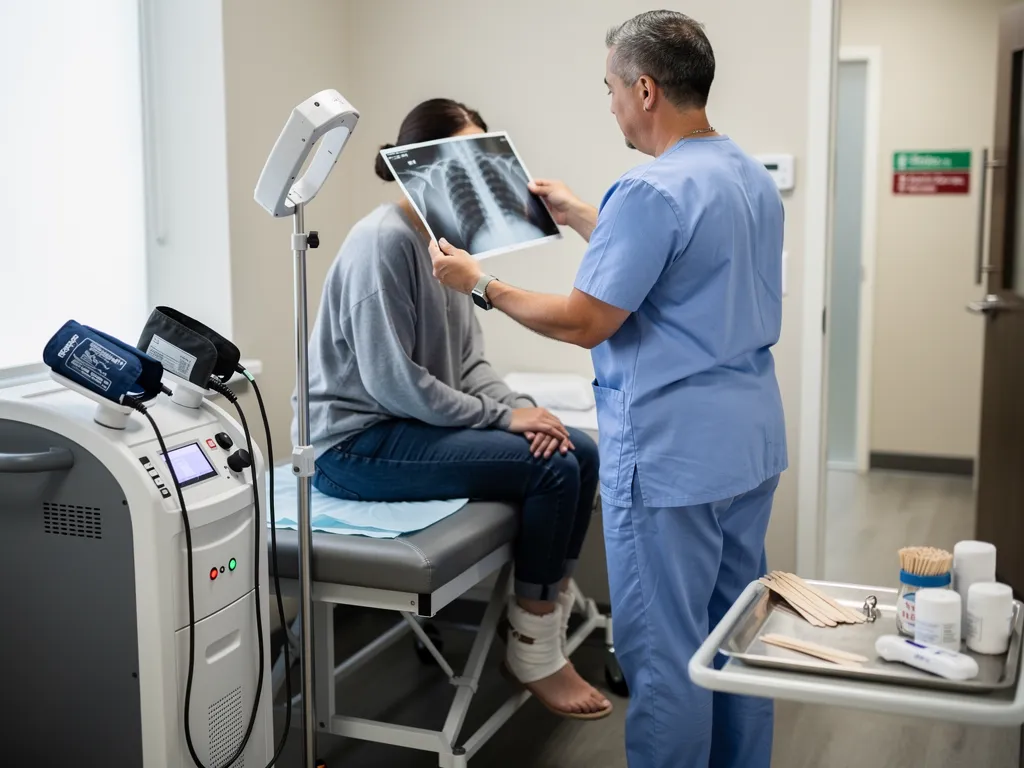 Urgent care centers handle same-day, non-emergency issues that go beyond what a walk-in clinic or doctor's office is equipped for, such as sprains, minor fractures, and infections that need prompt attention. Cash rates run higher than a routine primary care visit but remain well below the cost of an emergency room, making urgent care a middle-ground option for uninsured patients facing a condition that can't wait for a scheduled appointment.
How It Works for No Insurance Patients
Patients without coverage can typically walk in without an appointment and ask upfront about the self-pay rate for their concern, which keeps the cost clear before any care begins. Payment is collected directly at the center at the time of service, and many locations post their flat cash prices for common visits, X-rays, and basic labs online or at check-in. Bringing a photo ID helps speed up the process, and confirming which tests or imaging are included in the quoted price can prevent any surprise charges.
Community Health Center
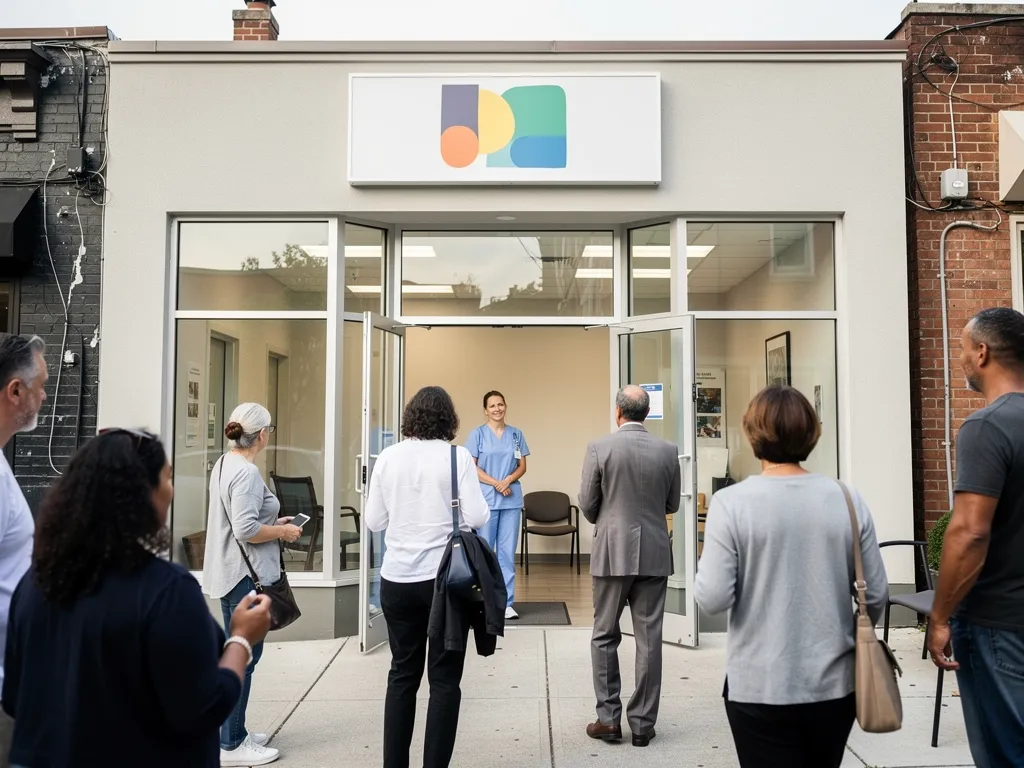 Community health centers are income-based, sliding-fee clinics that serve uninsured and underinsured patients regardless of their ability to pay, offering primary care, preventive services, and referrals to patients in both urban and rural areas.
How It Works for No Insurance Patients
Patients without coverage typically fill out a short income verification form when they first visit, and staff use that information to place them on a sliding-fee scale that lowers the cost of the visit. From there, the center bills at the adjusted rate for checkups, basic labs, and ongoing care, so patients have a clear sense of their costs before being seen rather than facing a surprise bill afterward. Bringing a photo ID and proof of income can help speed up the process and confirm which services qualify for the reduced rate.
Retail and Pharmacy-Based Clinics
 Retail and pharmacy-based clinics are located inside pharmacies or retail stores and handle quick, routine concerns such as colds, minor illnesses, and vaccinations at a flat, posted price. Their predictable pricing and extended hours make them a convenient option for uninsured patients who need simple care outside of a traditional office visit.
How It Works for No Insurance Patients
Patients without coverage can typically walk in without an appointment and check the posted flat-rate price for their concern before any care begins. Payment is collected directly at the clinic at the time of service, and many locations list their cash prices for common visits and vaccinations on-site or online. Bringing a photo ID helps speed up check-in, and asking whether a specific test or vaccine is included in the quoted price can prevent any surprise add-ons.
Direct Primary Care Clinics
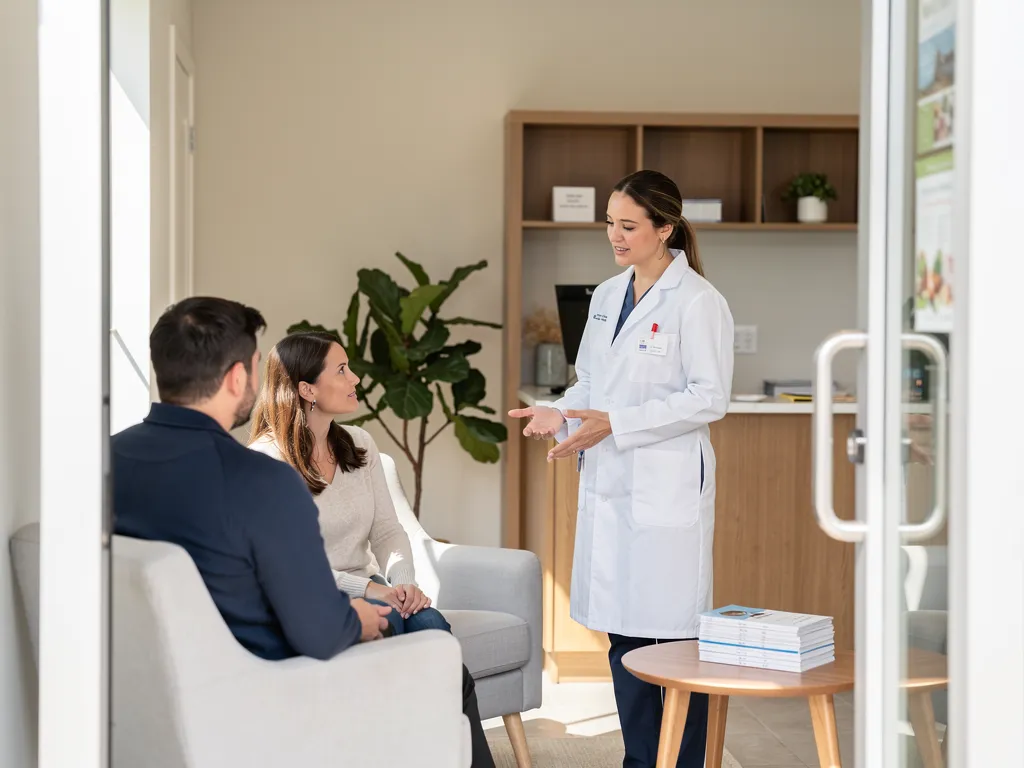 Direct primary care clinics run on a membership model, where patients pay a flat monthly or annual fee directly to a physician's practice in exchange for ongoing access to care. Because no insurance claims are involved, pricing stays simple and predictable for patients who want a steady relationship with one doctor rather than being billed per visit.
How It Works for No Insurance Patients
Patients without coverage typically enroll with a direct primary care practice and pay a set membership fee that covers routine visits, basic labs, and ongoing communication with their physician. Because the practice doesn't bill insurance for each visit, uninsured patients can expect longer appointments and more flexible scheduling than a traditional office typically offers. Asking upfront what the membership includes, and whether labs or specific tests carry an added cost, helps patients confirm the total price before enrolling.
Telehealth
Telehealth connects patients with a licensed physician over video or phone, making it one of the fastest and most affordable ways to get care without insurance, since there's no exam-room overhead and no in-person visit required.
How It Works for No Insurance Patients
Patients without coverage typically sign up for a membership or pay-per-visit telehealth platform and complete a brief intake form describing their symptoms. A licensed physician then connects with the patient by video or phone, often within the same day, to diagnose the issue, answer questions, and send prescriptions to a local pharmacy when needed. Because the entire visit happens remotely, patients avoid waiting rooms and can get care from home, at work, or anywhere with an internet connection, with the cost of the visit confirmed upfront before the appointment begins.
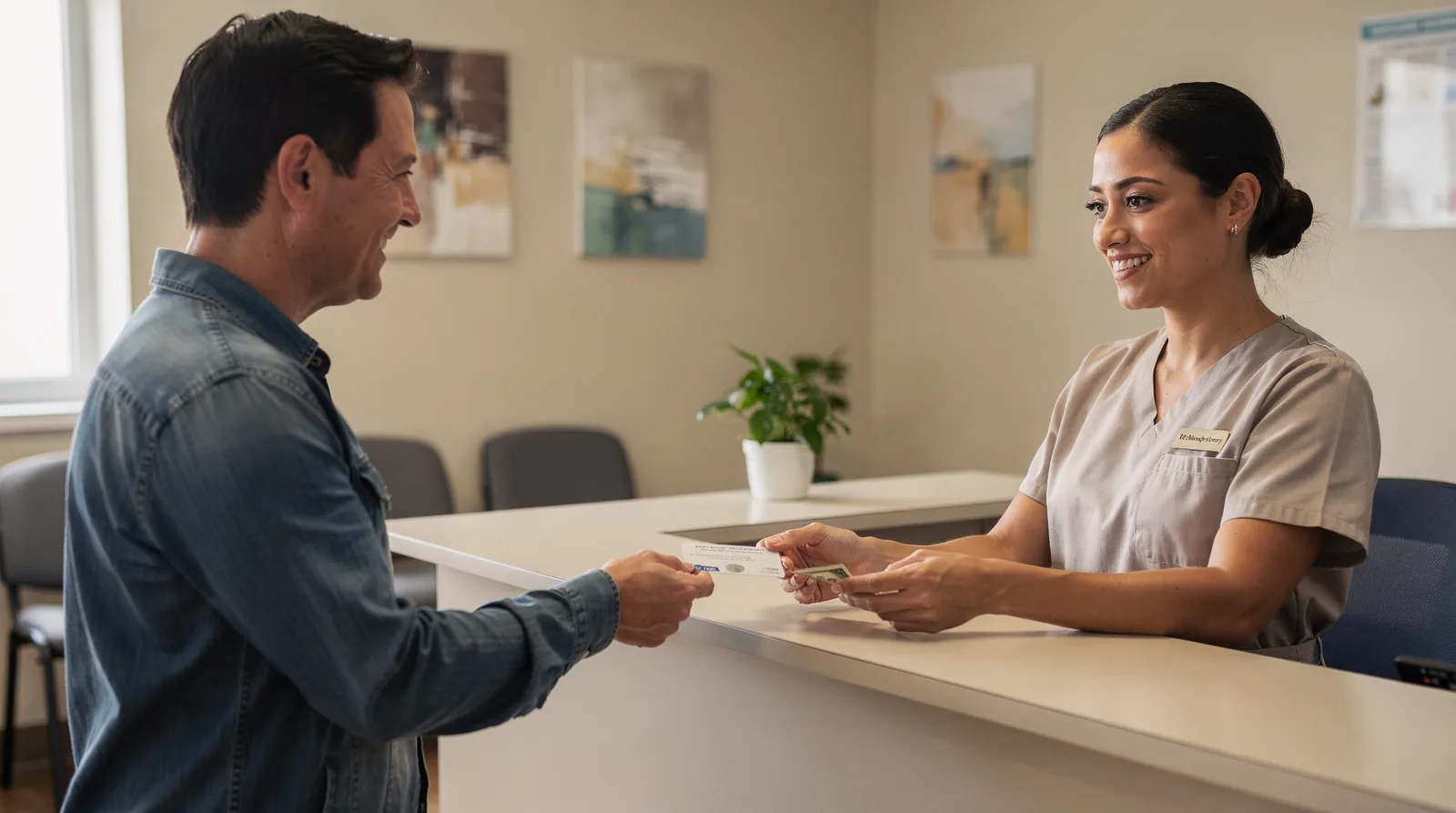 ### How do costs compare by visit type?
Primary care, specialist consultations, urgent care, and telehealth all carry different price tags. Urgent care and specialist visits tend to run higher than a routine primary care checkup. Telehealth often costs less because it skips the overhead of a physical exam room.
Are membership plans cheaper than paying per visit?
Membership-based care changes the math entirely. Membership plans bundle unlimited telehealth access into one predictable monthly charge, replacing the per-visit guessing game. For patients who need frequent check-ins, that apartment monthly structure often beats stacking up individual cash-pay bills.
What Alternatives Exist to Traditional Health Insurance?
Several paths exist for people who lack employer-sponsored coverage. Families priced out of standard plans can still reach affordable care through programs built specifically for low-income households, along with newer membership-based models that skip the insurance claims process entirely.
What federal programs cover low-income families?
Medicaid and the Children's Health Insurance Program, known as CHIP, stand among the main federal health plans available to Americans with limited income. Both are government-funded, meaning premiums stay low or disappear entirely for those who qualify. Eligibility rules vary by state, but the structure gives many families a no-cost safety net outside the traditional insurance marketplace.
Are there options besides insurance altogether?
Yes. Beyond government programs, several health insurance alternatives give uninsured households a way to manage routine care costs directly.
- Direct primary care: a membership model where members pay a membership fee directly to one doctor's office.
- Healthshare ministries: cost-sharing communities where members pool funds to help cover one another's medical expenses.
- Discount payment plans: negotiated rates that lower the price of visits, labs, or procedures for cash-paying patients.
- Community clinics: local facilities, often income-based, that serve uninsured and underinsured residents.
Routine lab work illustrates the savings potential well. Transparent, upfront pricing adds another layer of protection: members know a service's exact cost before it happens, removing the billing surprises common with insurance claims.
Types of Health Insurance Alternatives That Reduce Doctor Visit Costs
Several distinct models exist for people who want to lower the cost of seeing a doctor without carrying traditional insurance. Discount payment plans, healthshare ministries, direct primary care memberships, and community clinics with sliding-scale fees each cut costs in a different way, whether through negotiated cash rates, shared-cost pools, flat membership pricing, or income-based billing. Choosing the right one depends on how often a person expects to need care and how predictable they want their monthly costs to be.
Discount Payment Plans
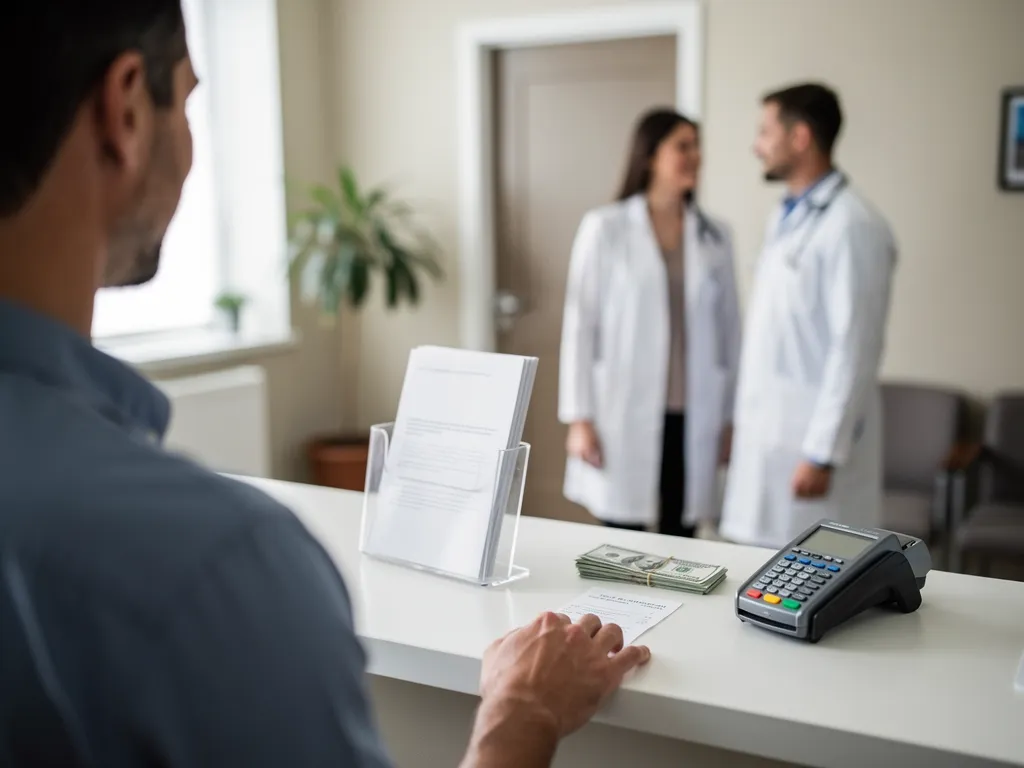 A discount payment plan, often called a DPP, is a program that gives members access to pre-negotiated, reduced rates at a network of participating doctors, clinics, labs, and pharmacies. Unlike insurance, a DPP does not pay claims or reimburse costs; it simply unlocks a lower cash price at the point of service.
How Do Payment Plans Work?
Members typically pay a small enrollment or monthly fee to join a discount payment plan. In exchange, they receive a membership card or ID number that participating providers recognize when billing for a visit, lab test, or prescription. Instead of submitting a claim and waiting on an insurer, the patient simply pays the already-discounted rate directly to the provider at the time of service, which keeps the process transparent and avoids surprise bills.
Direct Primary Care
Direct primary care is a membership-based model where patients pay a flat monthly or annual fee directly to a physician's practice in exchange for ongoing access to care. There are no insurance claims involved, which keeps pricing simple and predictable for patients who want a steady relationship with one doctor rather than per-visit billing.
How Does It Work?
Patients enroll with a direct primary care practice and pay a set membership fee, often lower than a typical insurance premium, that covers routine visits, basic labs, and ongoing communication with their physician. Because the practice doesn't bill insurance for each visit, appointments tend to run longer and scheduling tends to be more flexible, making this option well-suited to patients who need frequent or ongoing care.
Healthcare Sharing Ministries
 HCSMs are faith-based or community-based cost-sharing programs where members contribute a set monthly amount into a shared pool used to help cover each other's eligible medical expenses. They aren't insurance and don't guarantee payment, but they offer a lower-cost alternative for members comfortable with that trade-off.
How Do They Work?
Members typically pay a fixed monthly share amount, similar to a premium, into a shared fund. When a member has an eligible medical expense, they submit it to the ministry, which reviews it against its guidelines and distributes funds from the pool to help cover the cost. Because sharing ministries operate outside the insurance system, they can keep monthly costs lower, though coverage for pre-existing conditions and certain services is often limited or excluded.
Community Care Clinics
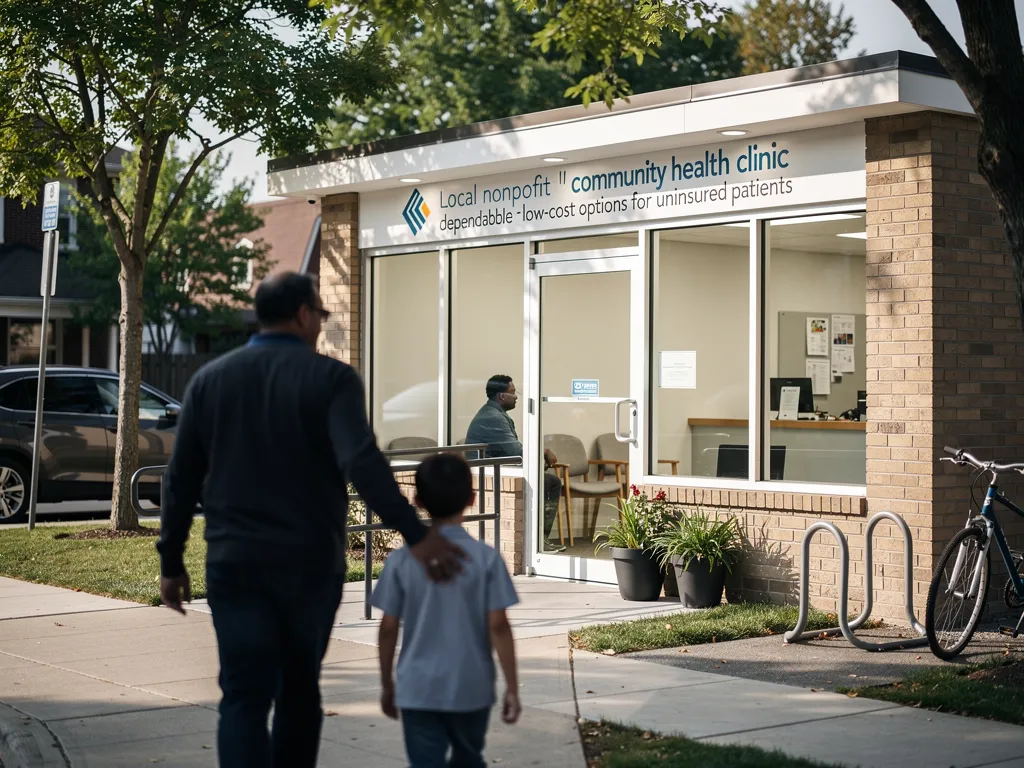 Community care clinics are local, often nonprofit facilities that provide primary care, preventive services, and referrals on a sliding-fee scale tied to household income. Many operate as Federally Qualified Health Centers (FQHCs), which means they generally cannot turn a patient away for inability to pay, making them one of the most dependable low-cost options for uninsured patients in both urban and rural areas.
How Do They Work?
Patients typically fill out a short income verification form when they first visit, and the clinic uses that information to place them on a sliding-fee scale that lowers the cost of the visit accordingly. From there, the clinic bills at the reduced rate for checkups, basic labs, and ongoing care, so patients know roughly what to expect before they're seen rather than facing a surprise bill afterward.
Federally Qualified Health Centers (FQHCs)
Federally Qualified Health Centers (FQHCs) are community-based providers that receive federal funding to deliver primary care, preventive services, and referrals regardless of a patient's ability to pay. They are required to offer care on a sliding-fee scale tied to household income, which makes them one of the most dependable low-cost options for uninsured patients in both urban and rural areas.
How Do They Work?
Patients typically complete a short income verification process when they first register with an FQHC, and staff use that information to place them on a sliding-fee scale that lowers the cost of each visit. From there, the center bills at the adjusted rate for checkups, basic labs, and ongoing care, so patients have a clear sense of their costs before being seen rather than facing a surprise bill afterward.
What's the Difference Between FQHCs and Community Clinics?
The two terms overlap but aren't identical. "Community clinic" is a general label for local, often nonprofit facilities that serve a neighborhood or region, while "FQHC" is a specific federal designation tied to funding requirements. A clinic earns FQHC status by meeting federal standards, including the requirement to offer care on a sliding-fee scale and treat patients regardless of their ability to pay. In practice, many community clinics are also FQHCs, but not every community clinic carries that federal designation, so confirming a specific location's status is worth a quick call before a visit.
Telehealth
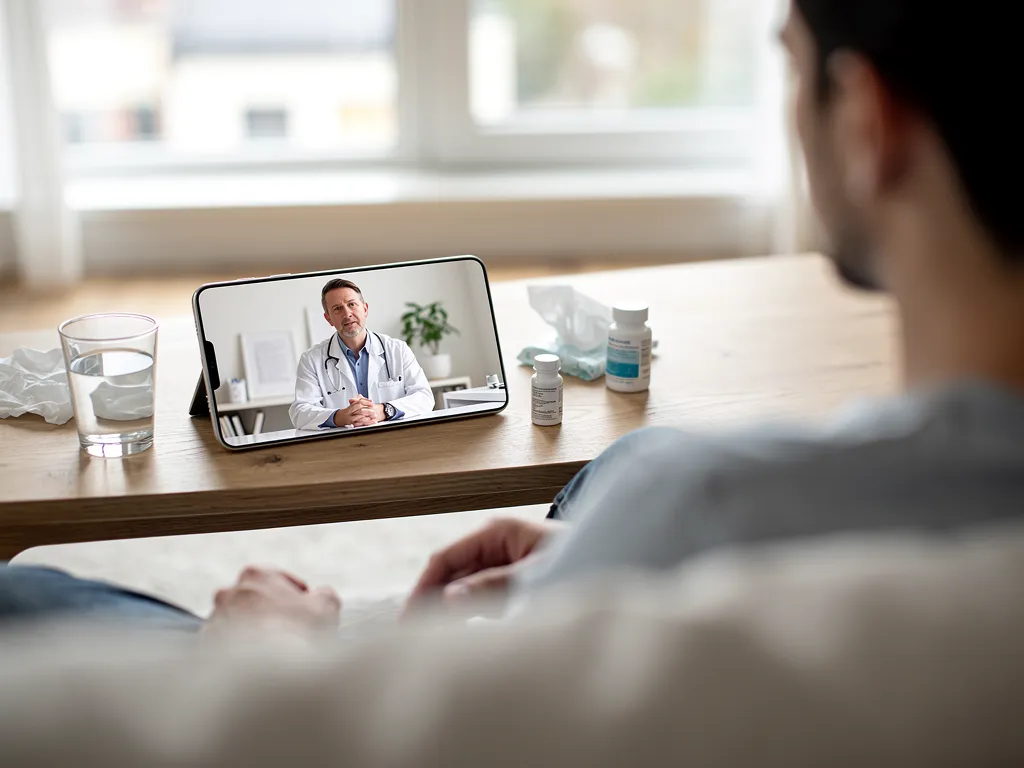 Telehealth connects patients with a licensed physician over video or phone, making it one of the fastest and most affordable ways to get care without insurance. Because there's no exam room overhead and no in-person visit required, telehealth often costs less than a traditional office visit while still covering common concerns like colds, allergies, skin issues, and prescription refills.
Accessing telehealth typically starts with signing up for a membership or a pay-per-visit platform, then requesting an appointment online whenever a concern comes up. Medblue, based in Miami, Florida, offers this kind of telehealth access built specifically for uninsured and underinsured patients, pairing virtual visits with its broader network of affordable care options.
How Does It Work?
Patients create an account with a telehealth provider and complete a brief intake form describing their symptoms or reason for the visit. A licensed physician then reviews the information and connects with the patient by video or phone, often within the same day, to diagnose the issue, answer questions, and send prescriptions to a local pharmacy when needed. Because the entire visit happens remotely, patients avoid waiting rooms and can get care from home, at work, or anywhere with an internet connection.
Doctor Visit Cost Without Insurance
A doctor visit cost without insurance depends on your provider and what type of health insurance alternative you might be subscribing to or have access to. The great news is that you have many options, so not having insurance does not mean you can't get great healthcare.
If you want to learn more about your healthcare subscription options at MedBlue, head on over to our pricing page, costs start at $40 a month, and that offers discounted access to not just doctor visits, but also many other healthcare needs like dentist visits, prescriptions, MRIs, X-rays, and more.
FAQs
The following are the most frequently asked questions related to seeing a doctor without insurance.
What is the cheapest way to see a doctor without insurance?
Calling a local walk-in clinic or community health center and asking directly for the self-pay or cash rate stands out as the cheapest option. Bringing a photo ID and proof of income helps clinics apply a reduced rate on the spot.
What alternatives exist besides traditional health insurance?
Options include Medicaid and CHIP for low-income families, direct primary care memberships, healthshare ministries, and discount payment plans. Medblue in Miami, FL also connects patients with accessible, budget-friendly healthcare options in their community.
Can telehealth replace a clinic visit?
Telemedicine connects patients with physicians quickly for minor concerns such as allergies, fevers, and headaches. No in-person appointment is required, and care often arrives the same day. This makes virtual visits a practical first stop before heading to a brick-and-mortar clinic.
Does location still matter for virtual care?
Yes, regional roots still shape how virtual and in-person care connect. Medblue, for example, is based in Miami, Florida, giving its telehealth and clinic network a physical anchor within the state's healthcare landscape. That local tie helps bridge online consultations with nearby community resources.