September 30, 2026
Learn About MRI Cost Without Insurance: Affordable Options, and Ways to Save
A Magnetic Resonance Imaging (MRI) scan is rarely an optional procedure, so when you learn about your potential MRI cost without insurance, it can cause worry about whether you can afford it or not. The good news is that today you have many options for getting an affordable MRI price without insurance.
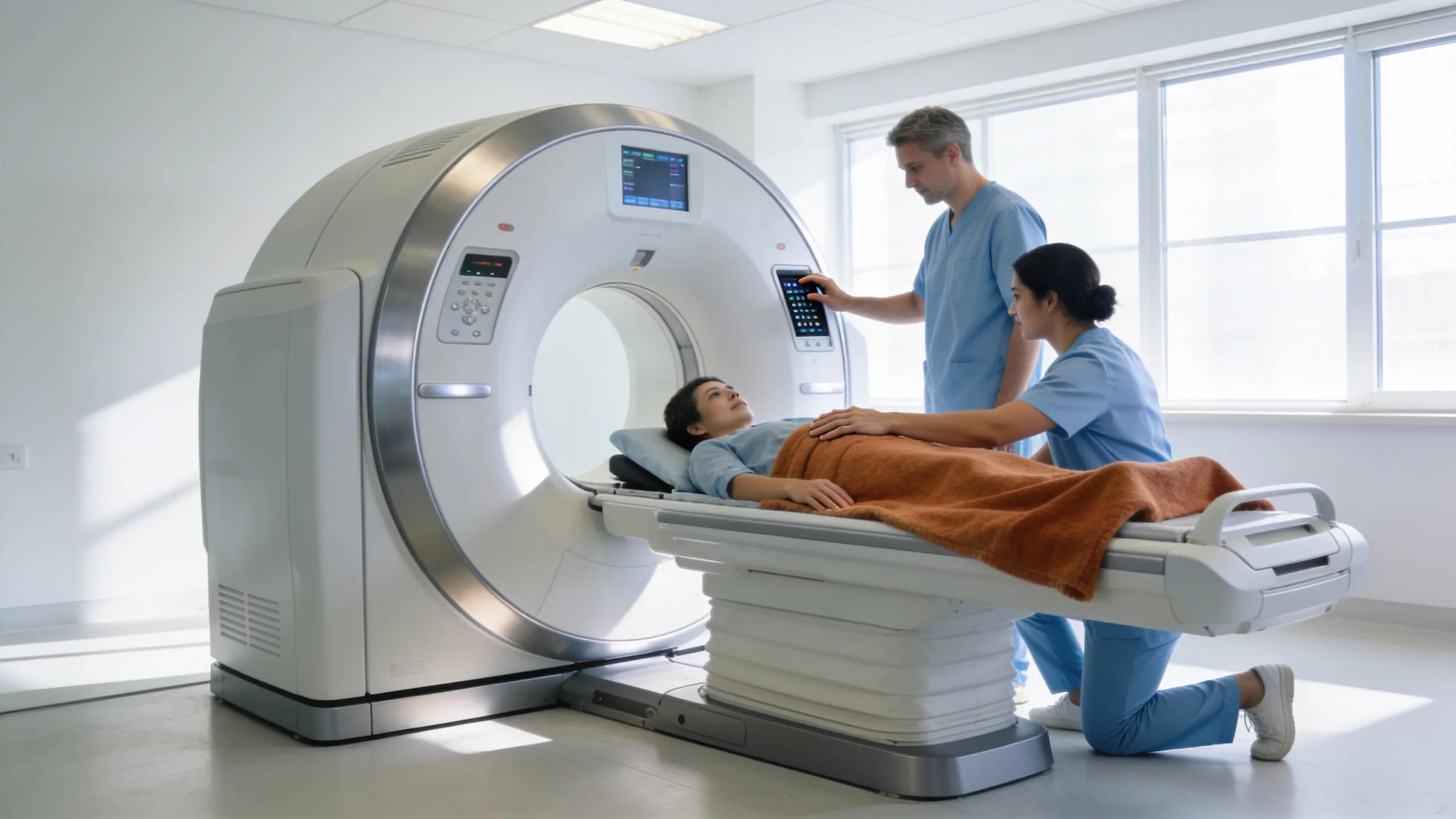 An MRI can be suggested when you are dealing with issues like radiating spinal pain, sudden neurological symptoms, or a suspected soft-tissue tear after a joint injury. What the MRI does is provide detailed anatomical clarity to make an accurate diagnosis.
In the United States healthcare system, medical imaging costs are far from uniform, as the cost of an MRI without insurance varies dramatically, ranging from under $400 at a freestanding imaging center to over $4,000 at a major hospital system for the exact same scan using the same standard of diagnostic equipment.
Understanding how diagnostic imaging costs are calculated will help you make a smart decision on how you are going to pay for your MRI without insurance. In this guide, you'll learn about the following:
- The average cost of an MRI scan without insurance across different anatomical areas
- The key reasons behind pricing disparities in medical radiology
- How to locate an affordable MRI scan or low-cost MRI clinic in your community
- Financial relief avenues, such as MRI payment plans and free MRI programs
How Much Does an MRI Cost Without Insurance?
When you ask about how much an MRI without insurance costs, there isn't a clean-cut answer because the cost depends on a variety of factors. Those factors include which area of your body is being scanned, as well as how complex it's going to be and also if there is going to be any intravenous contrast administered. Nationally, the out-of-pocket cash rate for an MRI for an uninsured patient has a wide range between $400 and $4,500 or more.
MRI With Contrast vs. Without Contrast
One of the big differences in cost for your MRI is going to be whether it requires contrast or not. When your order requires contrast, it means that a special dye will be used in your body that will illuminate certain areas and thereby provide greater clarity in those regions.
What Contrast Dye Is
The standard MRI contrast agent is gadolinium, a non-iodine chemical element administered intravenously (IV). Gadolinium temporarily alters the local magnetic field in your tissues, and that highlights blood flow, vascular abnormalities, and inflammation, which makes it easier to determine where issues may be.
Why It Increases the Cost
Administering contrast requires specialized pharmaceutical agents, IV supplies, nursing staff time, and sometimes additional lab testing. When your MRI requires an MRI contrast agent, it can add a significant amount to your bill, ranging anywhere from $150 to $1200 or more depending on where you are getting your MRI done. Costs at an independent facility can be on the lower end of that spectrum, while if it's done at a hospital it can be on the higher end.
When Contrast Is Medically Necessary
Contrast isn't usually a matter of choice when you're having an MRI done. Most often it is required when evaluating active tumors, brain metastases, infectious abscesses, postoperative scarring, blood vessel dissections, or active multiple sclerosis (MS) plaques, amongst other serious issues.
National Average Costs
After contrast or no contrast, the cost of your MRI heavily depends on the region of the body that your MRI is going to be conducted on.
Brain / Head MRI
If you require a non-contrast brain MRI at an independent outpatient imaging facility, it can average between $450 and $1,100. If you visit a hospital imaging department, the cost for an MRI without insurance can be between $2,500 and $4,500.
Spine MRI
Targeted imaging of the neck or lower back costs approximately $400 to $950 at specialized outpatient facilities, whereas large hospital systems frequently bill between $2,000 and $4,200 for the same anatomical segment.
Knee and Shoulder
Joint scans for sports injuries, torn cartilage, or tendon tears are among the most competitively priced outpatient procedures, running between $350 and $1000 at freestanding centers versus $1,000 to $3,800 at inpatient facilities.
Abdomen & Pelvis MRI
Abdominal soft-tissue studies are technically complex and involve multiple cross-sectional series. Outpatient cash prices range from $600 to $1,400, while hospital charges routinely exceed $3,000 to $5,200.
 Why MRI Prices Vary So Much
As you evaluate where to get your MRI without insurance, the variance in costs can be difficult to understand when, in the end, you are getting the same MRI scan. The difference in MRI price when you're paying out of pocket reflects the cost of where you are having the scan taken. And that means that things like the facility operating costs, administrative overhead, and the billing all become a part of the costs. That's why a smaller clinic might have a lower MRI price without insurance for patients and a hospital might have a higher price.
Facility Type Affects MRI Costs
While at the end of the MRI, you will end up with a similar MRI, the place where you get your MRI done will affect how much you pay out of pocket for an MRI.
Hospital Imaging Departments
Hospitals operate 24 hours a day, maintaining expensive emergency rooms, trauma wards, and intensive care units. To cover the substantial overhead of running an entire medical center and absorbing uncompensated emergency care, hospitals apply hefty "facility fees" to outpatient services.
Independent Imaging Centers
Freestanding imaging facilities operate solely during standard business hours and focus exclusively on scheduled diagnostic scans. Because they do not carry hospital overhead, their operational costs are a fraction of a hospital's, allowing them to offer transparent cash prices.
Outpatient Radiology Clinics
These dedicated facilities streamline radiology appointments, minimize administrative overhead, and pass operational efficiencies directly to self-pay patients in the form of lower cash rates.
Geographic Location
In addition to the type of facility you have your MRI completed in, where you live also matters. Costs of MRIs vary depending on your geographic location.
Metropolitan Areas
Cities with numerous competing radiology groups often have lower cash prices as centers compete for self-pay volume. However, in regions where a single hospital monopoly owns the majority of outpatient clinics, rates remain high across the board.
Rural Areas
With fewer facilities available and longer distances between competing centers, rural providers face less market pressure, which can keep baseline self-pay costs elevated.
The Body Part Being Examined Affects MRI Costs
Scans requiring specialized positioning coils, advanced multi-planar views, or multiple connected regions (such as a total spine survey covering the cervical, thoracic, and lumbar spine) require extended scanner time, which increases the total procedure price.
MRI Costs Are Affected By Radiologist & Facility Fees
A common billing pitfall for uninsured patients is the "split bill." A standard MRI entails two distinct charges:
- The Technical Fee: Covers machine utilization, energy costs, technologist labor, and physical facility maintenance.
- The Professional Fee: The fee charged by the board-certified radiologist who reviews the cross-sectional image sequences and authors the formal diagnostic report.
Hospitals often bill these two components separately, meaning you might pay the hospital upfront only to receive an unexpected secondary bill weeks later from an independent radiology group for the certified radiologist who reviewed the images.
Where Can You Get an Affordable MRI Without Insurance?
When looking for an affordable out of pocket MRI cost, knowing which facilities to contact can save you thousands of dollars.
Independent Imaging Centers
Freestanding imaging centers represent the most economical option for self-pay patients. Their baseline list prices are routinely 60% to 80% lower than those charged by inpatient hospital radiology departments for identical diagnostic protocols.
Outpatient Radiology Clinics
These centers specialize exclusively in medical imaging modalities (such as MRI, CT, Ultrasound, and X-ray). They maintain dedicated self-pay billing coordinators who are prepared to quote exact, transparent out-of-pocket costs over the phone.
University Medical Centers & Teaching Hospitals
Academic medical institutions frequently operate comprehensive financial assistance and community outreach programs. While their standard list prices can be high, their charitable care thresholds are often far more generous than those at private, for-profit hospital networks. Uninsured individuals meeting income criteria can often secure deeply discounted or fully subsidized imaging.
Mobile MRI Services
In some community health settings and semi-rural markets, accredited mobile imaging units (high-field MRI machines installed inside specialized transport trailers) travel between rural clinics. These services eliminate heavy commercial real estate overhead and often provide accessible cash pricing to underserved populations.
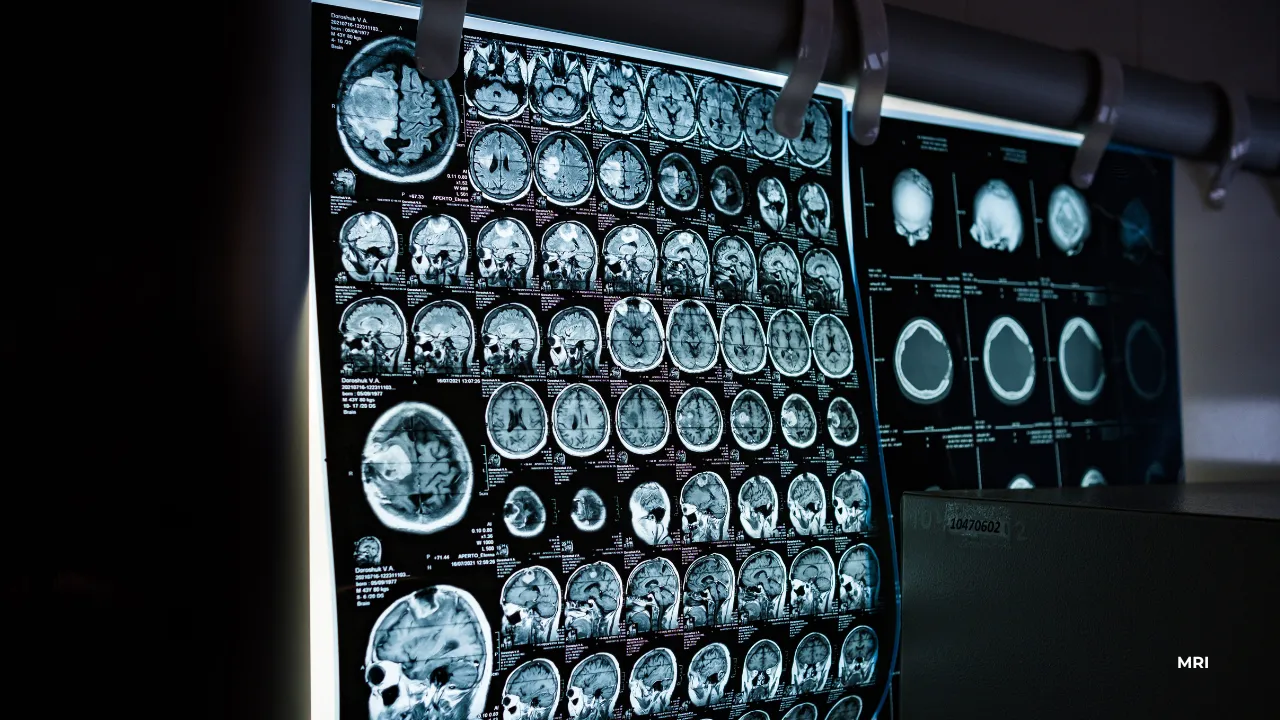 How to Find the Lowest MRI Price
Finding a low-cost MRI requires proactive price shopping before scheduling your scan. When you're paying out of pocket, it's important to research your options before booking a scan. There are a variety of healthcare options that provide you with discounts on healthcare costs similar to insurance such as healthcare subscription services like MedBlue, and healthcare ministries for community and faith-based healthcare community discounts. However, if you are choosing to pay out of pocket directly, review the following things before you book an MRI appointment.
Call Multiple Imaging Centers Directly
Contact at least three freestanding facilities in your area and speak directly with their patient financial services or billing departments to find out how much they charge for an MRI without insurance.
You should ask them about their discounted price for patients who are paying out of pocket. Also ask them if the cost will include both the technical fee and the radiologist's reading fee together. And ask if there are any additional fees. Be sure to ask:
Use Price Transparency Tools
Under federal hospital price transparency regulations, hospitals are legally required to publish their standard charges, including discounted cash rates, online.
- State Healthcare Transparency Portals: Searchable databases maintained by state health departments listing median regional imaging costs.
- Direct-to-Consumer Imaging Marketplaces: Digital healthcare tools that partner with accredited imaging centers to display pre-negotiated, upfront cash prices.
Ask for All-Inclusive "Global" Package Pricing
Always ensure that the facility provides a "global bundled rate." A global quote guarantees that the facility use, technologist labor, radiologist interpretation, diagnostic written report, and digital image copies are all included in one single transaction.
Ways to Save Money on an MRI Without Insurance
Securing an affordable price involves understanding the administrative options available to self-pay patients.
Ask for a Self-Pay Discount
Billing private insurance companies involves substantial administrative overhead, claims submissions, and payment delays. Because cash payments eliminate insurance processing costs and the risk of non-payment, most imaging centers provide an immediate cash discount of 30% to 70% if you pay in full at the time of service.
Negotiate the Price Before Your Appointment
Always negotiate prior to your scan. Once a medical service has been rendered, billing departments have less flexibility to modify standard charges. Inform the clinic that you are paying entirely out of pocket, share competitive price quotes from other local clinics, and ask if they can match the lowest available rate in the area.
Request an Interest-Free Payment Plan
If paying the full cash amount upfront creates financial strain, ask about MRI payment plans. Many independent centers and hospital systems offer zero-interest installment plans spread across 6 to 24 months, allowing you to pay manageable amounts (such as $50 to $100 per month) without accumulating credit card interest.
Look for Charity Care and Financial Assistance Programs
Under Section 501(r) of the Internal Revenue Code, all non-profit hospitals are required to maintain a formal Financial Assistance Policy (FAP).
- Individuals and families earning below 200% to 400% of the Federal Poverty Guidelines frequently qualify for free MRI programs or sliding-scale fee reductions.
- Contact the hospital's financial counseling or patient advocacy department to request a charity care application before your scheduled appointment.
Use an HSA or FSA Account
If you have funds in a Health Savings Account (HSA) or Flexible Spending Account (FSA) from prior employment, you can use these pre-tax dollars to cover your MRI. Utilizing pre-tax money provides an effective 15% to 30% discount depending on your tax bracket.
Choose Outpatient Facilities Over Hospitals
Choosing an accredited freestanding imaging center over a hospital imaging department is the single most effective way to lower your costs, routinely saving patients $1,500 to $3,000 on a single scan.
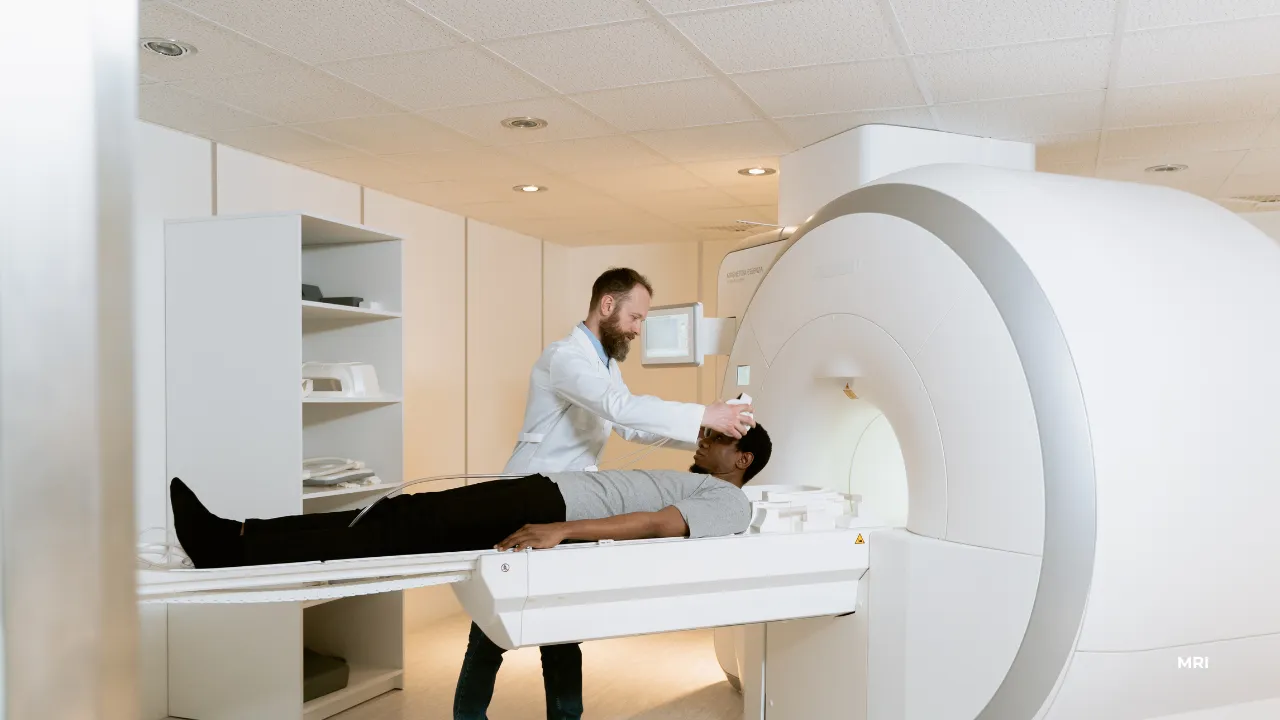 Do You Need a Doctor's Referral for an MRI?
In almost all jurisdictions across the United States, yes, you must have a formal medical order or prescription from a licensed healthcare provider before an imaging facility will perform an MRI.
Because an MRI involves complex diagnostic interpretations rather than generalized screening, a radiologist needs a specific clinical question to evaluate. Valid MRI orders can be written by:
- Primary Care Physicians (PCPs): Family medicine physicians, internists, and general practitioners.
- Medical Specialists: Orthopedic surgeons, neurologists, neurosurgeons, rheumatologists, or oncologists.
- Telehealth Physicians: Licensed virtual clinicians who can assess your symptoms via a telehealth consultation and digitally submit an imaging requisition to the facility of your choice.
- Urgent Care Providers: Physicians, physician assistants (PAs), and nurse practitioners (NPs) diagnosing acute injuries outside of standard office hours.
There are Direct-to-Consumer Screening Clinics that will provide full-body scans without a doctor-ordered one. These types of preventive wellness scans are not covered by financial assistance and can cost upwards of $1,500 to $2,500. They also do not replace targeted diagnostic scans designed to address specific symptoms.
What Happens During an MRI?
Knowing what to expect during your imaging appointment can help ease anxiety, especially for first-time or claustrophobic patients.
Arrival & Safety Screening
When you arrive, you will complete a comprehensive safety screening questionnaire. Because the MRI machine houses an extremely powerful superconductor magnet, staff must verify that you do not have implanted metallic objects (such as pacemakers, aneurysm clips, cochlear implants, surgical hardware, or metal fragments in the eyes).
Preparation
You will change into metal-free scrubs or a medical gown. You must remove all jewelry, piercings, watches, eyeglasses, hairpins, and credit cards.
Positioning on the Table
You will lie comfortably on a motorized examination table. The MRI technologist will place a specialized device called an imaging "coil" around the specific body region being evaluated (such as a helmet-shaped coil for the brain or a padded brace around the knee).
The Scan Experience
The table slowly glides into the opening of the scanner. As the magnetic fields shift, the machine generates loud thumping, knocking, and buzzing sounds. You will be provided with earplugs or headphones with music, along with a handheld emergency call button. It is crucial to remain completely still, as small movements can blur the images.
Duration
A standard examination takes between 15 and 45 minutes per body segment.
Contrast Administration
If your scan is ordered with contrast, the technologist will administer the gadolinium solution through an IV line partway through the appointment.
Receiving Results
The technologist cannot interpret the scan or provide verbal findings. A board-certified radiologist will examine the complete image sequence, author an official diagnostic report, and send it to your ordering physician within 24 to 48 hours. You can also request a copy of the written report and a digital download of your imaging series for your own records.
When Is an MRI Medically Necessary?
While standard X-rays excel at identifying bone fractures and CT scans are ideal for acute trauma or internal bleeding, an MRI provides the highest level of soft-tissue resolution available in modern medicine.
A healthcare provider will typically determine an MRI is medically necessary in the following situations.
Spine and Nerve Pathologies
Persistent back or neck pain accompanied by radiculopathy (pain, weakness, or numbness radiating into the limbs), suspected lumbar disc herniations, or spinal canal stenosis.
Neurological Disorders
Chronic severe headaches, unexplained seizures, sudden vision changes, evaluation for stroke, or diagnosing and monitoring multiple sclerosis.
Musculoskeletal & Joint Trauma
Severe joint instability, suspected ligament ruptures (such as ACL or meniscus tears in the knee), or rotator cuff tendon tears in the shoulder.
Oncologic Evaluation
Detecting, staging, and monitoring soft-tissue masses, internal tumors, and lymph node involvement.
Vascular Conditions
Investigating brain aneurysms or vascular abnormalities using Magnetic Resonance Angiography (MRA).
MedBlue's MRI without Insurance Discount
MedBlue has negotiated rates with health professionals across the US for patients needing affordable out of pocket MRI costs. These rates are part of MedBlue's healthcare subscription, which includes not only rates as low as $150 for MRIs when you're paying out of pocket, but also discounted rates for a variety of healthcare needs like doctor visits, prescriptions, dental care, vision care, X-rays, and more.
MedBlue works with vetted professionals who have agreed to offer discounted rates to MedBlue subscription holders, so when you sign up, you get access to the MedBlue platform, and on the platform you can look up MRI facilities in your area that offer low rates for MRIs.
If you'd like to learn more about MedBlue's access to low costs on MRIs, you can review the diagnostics and imaging page to see prices or speak to a member of our client care team who would be happy to help you figure out your MRI costs.
Finding Low MRI Costs Without Insurance
Facing a diagnostic medical test without insurance can feel challenging, but needing an MRI does not have to result in unmanageable medical bills.
By actively comparing local facilities, opting for freestanding outpatient imaging centers instead of hospitals, confirming all-inclusive global pricing, and requesting self-pay discounts, you can routinely secure a high-quality diagnostic scan for under $500.
If upfront payment is still a barrier, look into non-profit hospital financial assistance programs and zero-interest monthly payment plans before delaying medically necessary care. High-quality diagnostic imaging is accessible—taking a proactive, informed approach to medical pricing ensures you protect both your health and your financial well-being.
Frequently Asked Questions
Can you get an MRI without insurance?
Yes. You can receive an MRI without insurance at hospital radiology departments and independent outpatient imaging centers across the country. Your cost of an MRI without insurance depends on where you live, and the region you need your MRI on. To get an MRI, you need an imaging order from a licensed healthcare provider and an agreed-upon method of payment.
Can you negotiate MRI prices?
Yes. Outpatient imaging centers routinely negotiate cash prices with self-pay patients. Always request the "self-pay discount" or "prompt-pay rate" before booking your appointment.
Is an imaging center cheaper than a hospital?
Yes. Freestanding outpatient imaging centers are almost always significantly cheaper, charging between $350 and $900, while hospital imaging departments routinely bill $2,000 to $4,500+ for the exact same scan due to facility surcharges and institutional overhead.
How long does an MRI take?
A single-region MRI generally takes between 15 and 45 minutes. If multiple anatomical areas are ordered or if IV contrast is required, your total scan time may extend to 60 minutes or more.
Can urgent care order an MRI?
Yes. Clinicians at urgent care clinics can evaluate your acute condition and provide a valid MRI requisition. You can take that order to any accredited imaging center of your choice.
What if I can't afford an MRI?
If the cash cost is beyond your financial reach:
- Inquire about hospital charity care programs (Financial Assistance Policies) at non-profit medical centers.
- Search for community health centers that provide sliding-scale imaging vouchers.
- Request an interest-free installment plan with an independent imaging provider.
- Consult with your ordering physician to see if an alternative, lower-cost diagnostic test (such as an ultrasound or X-ray series) is clinically appropriate as an initial diagnostic step.