October 10, 2026
Dental Care Without Insurance Guide
Dental care without insurance can be expensive; in fact, even if you have insurance, any work you need outside of routine care can be expensive as well. However, the good news is that there are many ways to access low cost dental care without insurance. That's because, with today's changing lifestyles and jobs, more and more people don't have or don't want traditional insurance.
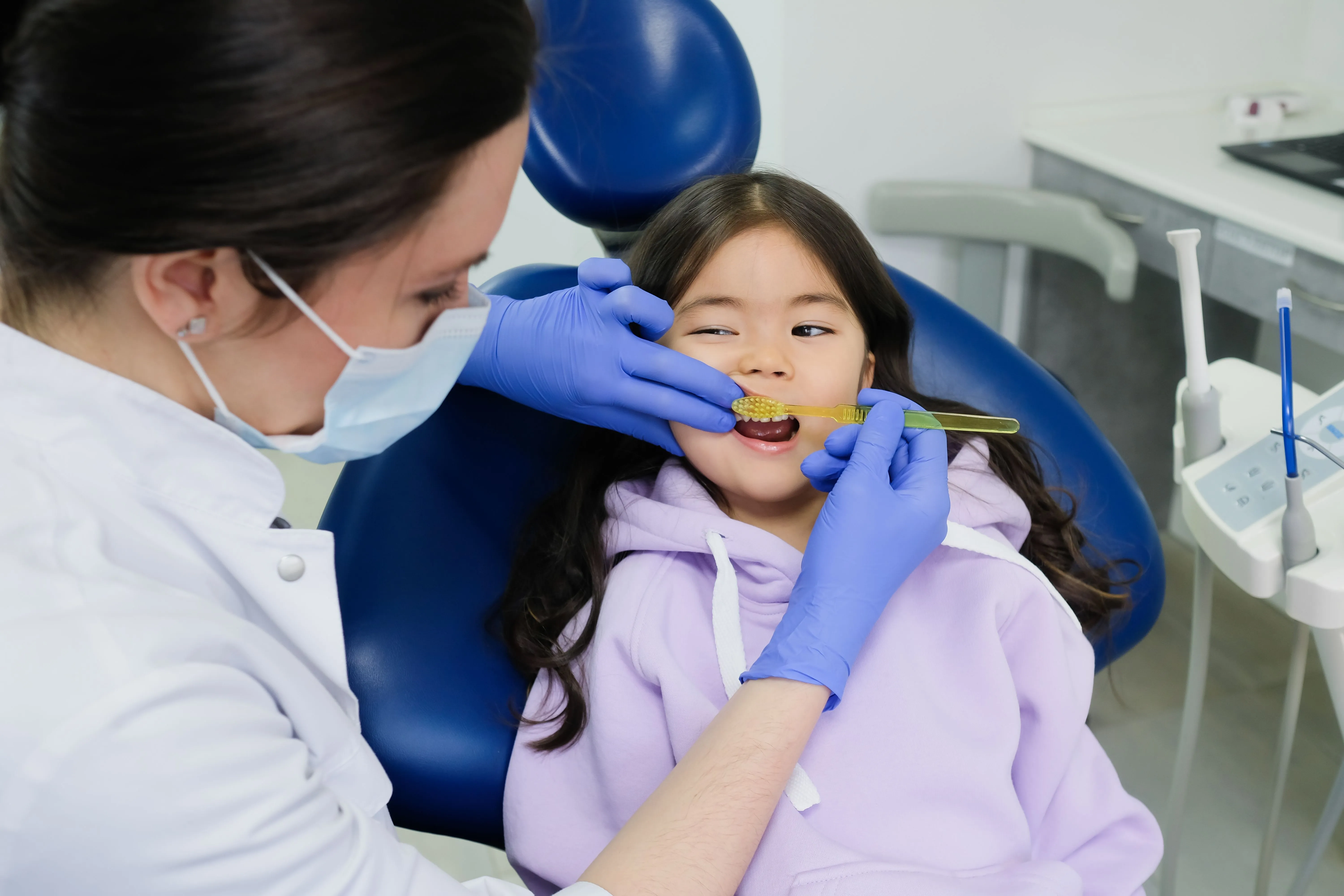 Patients who may not have traditional coverage include freelancers, gig workers, self-employed entrepreneurs, temporary workers, students, and retirees. So you're not alone if you're facing the challenge of figuring out how to access a dentist without insurance.
Once you understand your options, planning becomes much easier, and you should be able to find dental care right within your budget. In this guide, you're going to learn about all of the options you have for dental care without insurance and the costs associated with it.
The Reality of Dental Care Without Insurance
The modern dental ecosystem offers a wide variety of transparent, budget-friendly alternatives designed specifically for uninsured patients. Those health insurance alternatives include discount memberships, direct pay, and health ministries.
Average Out-of-Pocket Dental Costs Breakdown
- Without insurance, standard procedure costs can vary significantly based on some key factors, including the following;
- Geographic location
- Type of dental provider
- Complexity of procedure
- Whether you're a new patient or a returning one
- The type of equipment used
- How experienced the dentist is
- Whether or not you need additional services like X-rays
Given that there are so many variables, it is difficult to provide an exact cost for any type of dental service. However, we can provide you with a range which can give you an idea of what costs can be.
Procedure | Typical Out-of-Pocket Cost Range |
Preventive Exam & Routine Teeth Cleaning | $100 – $400+ |
Dental X-Rays (Bitewing / Full Mouth) | $100 – $250+ |
Basic Tooth Filling (Composite) | $150 – $450+ |
Root Canal (Molar) | $700 – $1,500+ |
Dental Crown (Porcelain / Ceramic) | $1,200 – $2,500+ |
Tooth Extraction (Basic) | $150 – $400+ |
As you can see, there is a significant range in prices. And for that reason, it is best for you to call several dentist offices to get pricing before you decide on the one that's best for you.
Options for Dental Care Without Insurance
You might be surprised to learn that there are quite a few dental care options without insurance that are designed to be affordable. Those options include subscription services, discount cards, and health ministries. Let's get into your options.
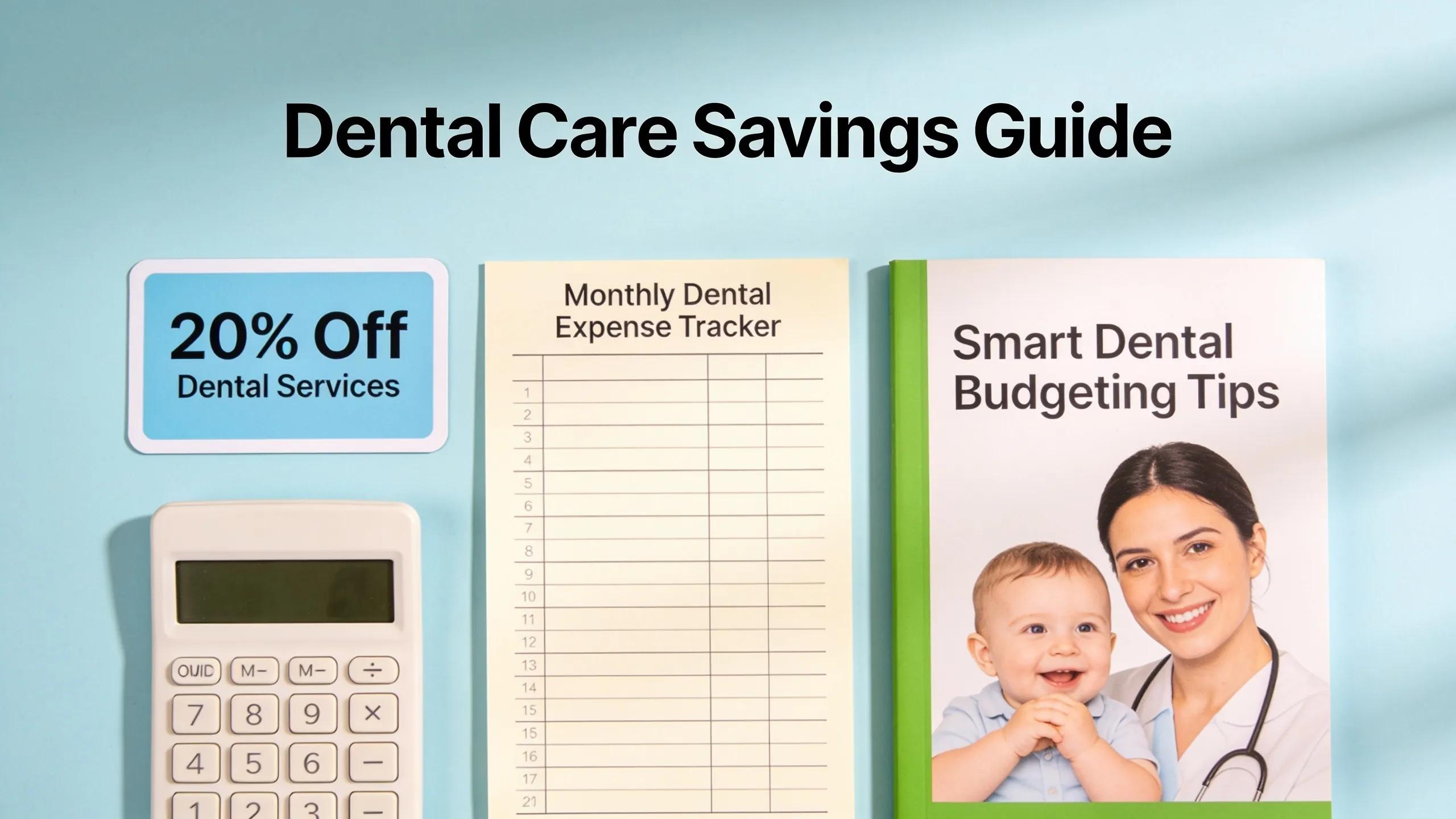 Health & Dental Sharing Ministries
Healthcare sharing ministries are a type of co-op that is typically linked to a faith-based organization or sometimes a community-driven organization. In a Health Ministry, members of the group pool monthly financial contributions to share one another’s medical and dental expenses.
How it Works
Rather than filing traditional insurance claims, members pay a monthly shared contribution. When dental expenses occur, especially major or surgical procedures, eligible costs are submitted to the community for sharing and reimbursement according to member guidelines.
Key Benefits
Lower monthly costs compared to standard health insurance, strong sense of community support, and flexible choices of providers.
Important Considerations
Pre-existing conditions may have waiting periods, and routine cosmetic work is typically excluded.
Direct Dental Care for Non-Insured
Direct Dental Care (DDC) or practice memberships let you "join" a dental practice as a member, like you might join a gym. And when you become a member, you get access to special pricing for treatments.
How It Works
You pay a predictable, flat monthly or annual fee directly to your dentist. In exchange, your subscription covers 100% of routine preventive care (typically two annual cleanings, exams, and X-rays) plus an immediate discount (usually 15% to 30%) on all other procedures, from fillings to cosmetic restorations.
Key Benefits
There are quite a few benefits of taking this route if you don't have insurance and you don't want to have to absorb all of the costs of dental care. First off, you get a predictable monthly membership cost that pays for routine cleanings. And with that, you receive a discount on additional treatments, and the pricing for everything is transparent, so you know exactly what you're going to be paying before you have the procedure.
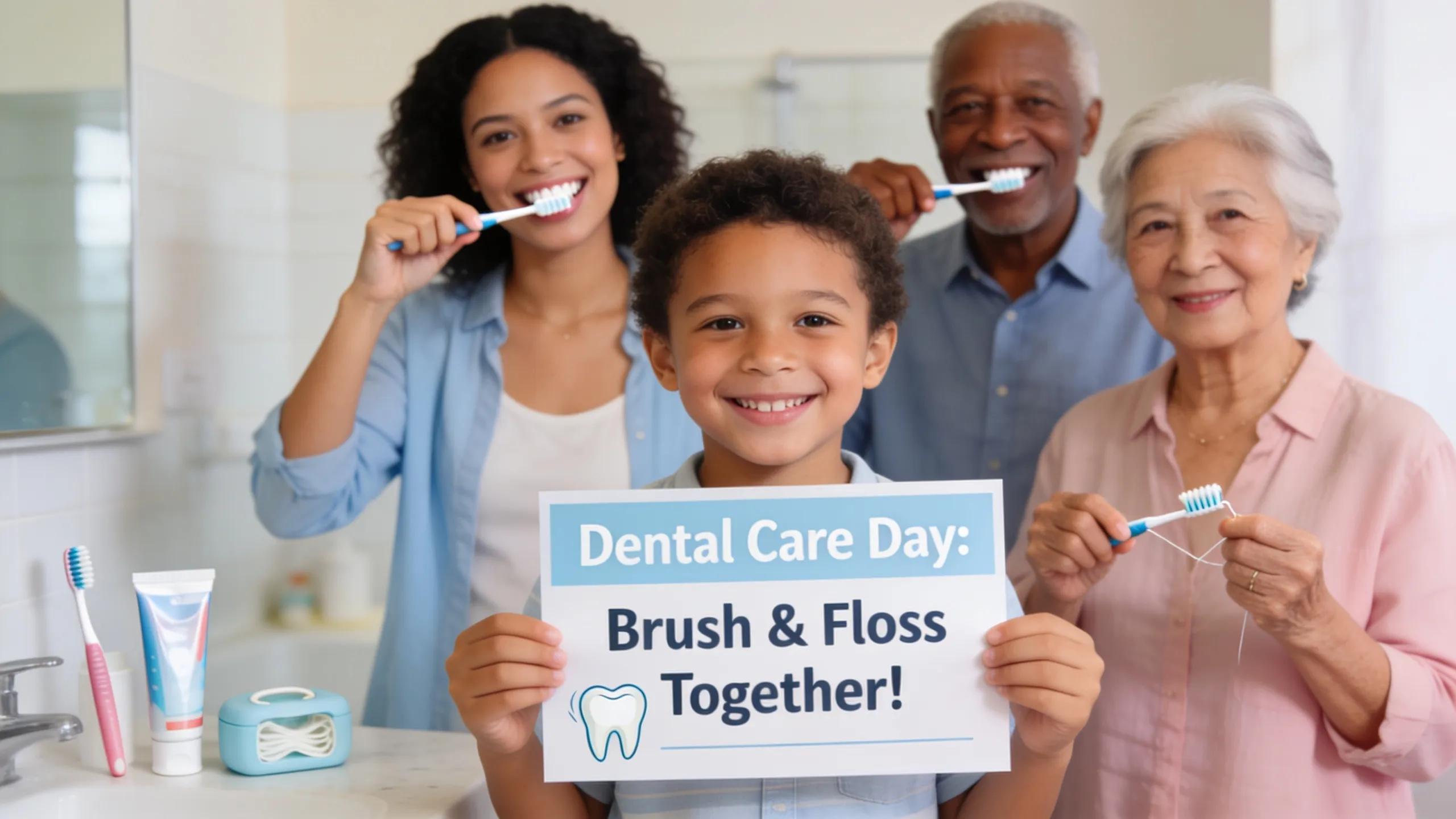 Discount Dental & Health Cards for Patients Without Insurance
Discount health cards give you access to discounts, sort of like having coupons for different health and dental services.
How It Works
You pay a subscription to get the discount card, and costs can range from $100 to $200 per year. With that subscription, you get access to the discount card's network of participating dentists, and those dentists will have agreed to charge pre-negotiated, reduced rates for their services.
Key Benefits
You can get significant discounts on procedures that you would otherwise have to pay full price for. The discounts differ from card to card and can range from 10% to 60% off standard fee schedules, with instant activation, and can also include zero annual coverage caps and no pre-existing condition exclusions.
Health & Dental Subscription Platforms
Health and dental subscription platforms provide pre-negotiated discounts on a variety of health and dental care services. They provide a platform through which you get access to transparent pricing as well as access to telecare.
How It Works
Health subscription platforms require you to pay either a monthly or annual fee to subscribe to their service. With that subscription, you get access to a platform on which verified dentists and doctors are listed, as well as pricing for different treatments. You can search for practitioners in your area and compare costs. The pricing listed there is the pricing the provider must honor if you book an appointment. In addition to the transparent pricing and search features, most platforms also offer a form of telehealth, so you can consult with a healthcare professional from home.
Key Benefits
Seamless digital booking, clear upfront pricing before stepping into the office, and the ability to pause or change your plan dynamically.
MedBlue Discount Service Plan Platform
The MedBlue Discount Service Plan is a type of subscription service designed for people without insurance or those who are uninsured. It has also been designed with families without insurance in mind, which is why there is a discounted subscription for families.
How it Works
You pay a monthly or yearly fee to become a MedBlue member. With that subscription, you gain access to MedBlue's proprietary platform on which you can connect with vetted dentists who have agreed to offer their services to MedBlue subscribers at a discount.
You can search for dentists in your area and look at the transparent pricing available for different treatments. And you also have access to 24/7 telehealth for free, so if you are experiencing a dental difficulty, you can instantly connect with a professional to discuss your issue. The professional can recommend what you might be able to do at home or if you need to see a dentist in person.
Key Benefits
The platform gives you access to pre-vetted dentists as well as transparent pricing, so you don't have to face any surprises once your treatment is complete. You also have access to free telehealth 24/7.
Comparing Uninsured Options
Selecting the ideal pathway depends on your budget, family size, and anticipated dental needs over the coming year. The chart below provides average costs for each type of uninsured option, but the costs can be higher or lower than the estimates provided. You must contact individual providers to get exact costs.
Option | Ideal For | Typical Monthly Cost | Key Feature |
Practice Memberships | Patients loyal to a specific local dentist | $25 – $40+/monthly and one-time activation cost | Covers routine care with discounts on other treatments at that one specific clinic. |
Discount Dental Cards | Budget-conscious individuals needing major work | $100-$200 annually | Similar to a discount coupon book, the card gives you discounts on different procedures. Those discounts can vary significantly, starting at 10% to much more. |
Healthcare Ministries | For those seeking a community to share costs with and average lower monthly costs than insurance. | Varies between $100–$300+ per person tier-based | Shared community funding that will help pay for the cost of treatment. Often routine services are paid for out of pocket and the community payment is for larger bills. |
Subscriptions | Patients wanting transparent pricing and access to telehealth. | $40-$60+/ month | Transparent fee structures, quick scheduling, telehealth. |
Individual vs. Family Coverage Considerations
If you are shopping for a full family without employer benefits, in-house practice memberships and discount dental cards frequently offer tiered family pricing, providing substantial savings on pediatric cleanings and orthodontic work compared to purchasing individual policies.
 Additional Ways to Lower Dental Bills Without Insurance
Beyond structured alternative plans, several practical strategies can help stretch your healthcare budget:
Dental Schools & Dental Hygiene Clinics
You may not know this, but dental schools often offer discount dental care. Treatments are performed by students, but the students are supervised by licensed teachers. The price for service at schools is often significantly lower than at a dentist's office.
Federally Qualified Health Centers (FQHCs)
Federally Qualified Health Centers (FQHCs) are health centers funded by the federal government and are usually found in underserved communities. These community centers may have dental services alongside health services, and they base pricing on a sliding scale that is dependent on your household income and size. In order for the centers to be able to give you accurate pricing, you need to show proof of income and of household size.
Negotiating Cash Discounts & Payment Plans
Going through insurance is time-consuming for dentists, so they don't mind at all if you want to pay upfront, as it makes the running of their business easier. That also means you have the opportunity to negotiate on pricing as you are making their lives easier too. So it never hurts to ask about costs and suggest a counteroffer or an alternative arrangement like paying in two installments.
What to Do If You Have a Dental Emergency Without Insurance
You have several choices when it comes to dealing with a dental emergency when you don't have insurance. One of those choices is to call a local dentist. You can ask the dentist for cash pricing and explain the urgency of your situation to get an appointment right away. The second option can be to go to an urgent care clinic. Urgent care clinics typically do not have a dentist in-house, but they can provide you with temporary relief until you can get in to see a dentist.
Your third option is the emergency room, but this is only a valid option if you have an actual health emergency. Symptoms like excessive bleeding and difficulty breathing can require a trip to the emergency room. Emergency rooms are also not typically staffed with dentists, but they may be able to diagnose what the problem is and help you find solutions.
Visiting the Dentist Without Insurance Doesn't Have to Be Hard
Lacking traditional dental insurance does not mean sacrificing your health or breaking the bank. By exploring direct practice memberships, enrolling in discount savings plans, or utilizing community resources, you can enjoy accessible, high-quality oral healthcare on your own terms. If you want to learn about MedBlue's discount plan and the type of dental perks it includes, you can connect with a dental specialist at MedBlue.
Frequently Asked Questions (FAQ)
Here are some of our most frequently asked questions about dental care without insurance. If you have any other questions, you can chat with a MedBlue client support specialist, and they'll be happy to answer your questions.
Where to go for dental work without insurance?
Many dentists accept patients who are going to pay in cash themselves rather than going through insurance. So you don't need to find a special dental clinic that accepts non-insured dental patients. All you need to do is call the dentists in your area and ask them if they accept self-paying customers, and then ask them what the cost of your procedure will be. You should call several different offices so you can get the best price.
Can I get dental work done immediately without a waiting period?
Yes! Unlike traditional insurance plans that enforce 6- to 12-month waiting periods for major procedures, alternatives like discount dental cards and in-house practice membership plans take effect immediately upon enrollment.
How do health sharing ministries handle major dental procedures?
Each sharing ministry sets its own guidelines. Typically, routine cleanings are paid out-of-pocket by the member, while major dental surgeries resulting from accidents or serious medical conditions can be eligible for community sharing after meeting a personal unshareable amount.
Do I really need insurance to go to the dentist?
You don't need to have insurance to get dental care. Most dental clinics have self-pay options so you can see a dentist without insurance, but you will need to pay for the cost of service yourself. Some people may be under the impression that having insurance is a prerequisite for good dental care, and it is not. Unfortunately, this can often lead to people putting off routine dental care, which can then lead to costly treatments in the future.