October 10, 2026
Emergency Dental Care Without Insurance Options
Costs for emergency dental care without insurance are dependent on the type of emergency treatment you need, where you're getting that treatment, and whether or not you have access to discounted care. In this guide, we're going to break down the best options for you, so you can find a solution quickly and get the care you need.
You will learn which providers can treat dental emergencies for uninsured patients, and the type of costs you can expect. We'll help you evaluate if you have a dental emergency or if it's something that you might be able to wait to see a dentist about. All of that will help you make an empowered decision about the best and most affordable dental care solution for your condition and pocketbook.
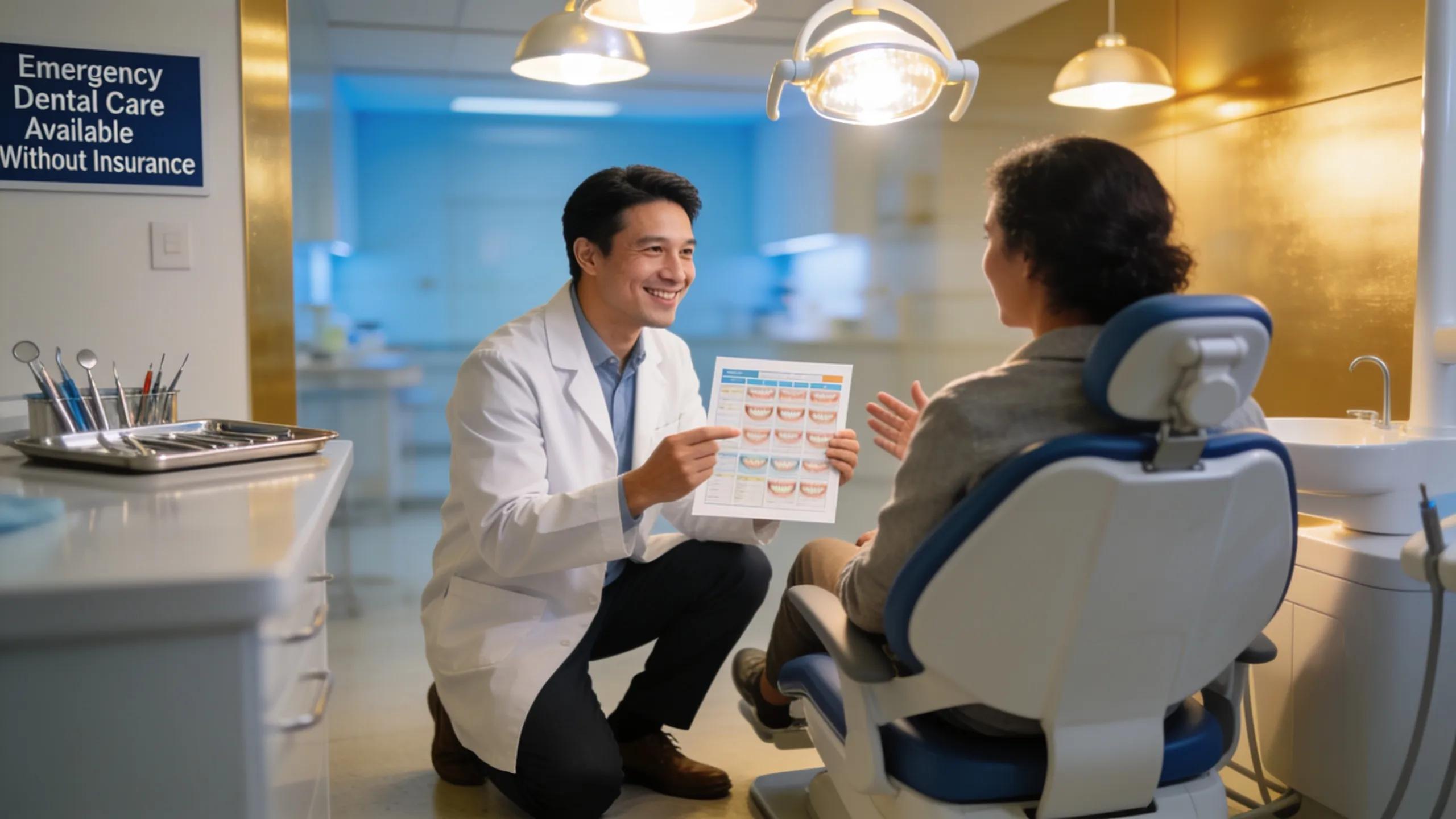 What Type of Providers Provide Emergency Dental Care?
There are a number of choices you have when you're looking for urgent dental care, but those choices can be limited by your location. However, knowing which providers are available to you can help you figure out who to contact during a dental care emergency. In fact, it is a good idea to research providers in your area even if you don't need emergency care right now so that you are prepared for if and when you do.
Emergency Dentists vs. Urgent Care Clinics vs. Hospital Emergency Rooms
Your local dentist's office is always an option for emergency care, however, if you don't currently have a dentist, getting in to see a new dentist immediately is not always easy. Here are some other options for providers that can give you emergency dental care.
Emergency Dentists
An emergency dentist specializes in acute dental problems and is often the best choice for urgent tooth-related care. They can provide treatments like emergency tooth extractions without insurance as well as pain management, root canals, and abscess drainage. You can often find them operating walk-in clinics that offer self-pay options.
Urgent Care Clinics
Local urgent care clinics primarily focus on general medical conditions and some minor dental pain, and so they do not offer comprehensive dental procedures. However, what they can do is provide initial pain relief or antibiotics, after which they usually refer patients to dental specialists.
Hospital Emergency Rooms (ERs)
This is a provider that most people think of when they have any type of medical emergency. Emergency rooms in hospitals handle severe oral-facial trauma, uncontrolled bleeding, or infections compromising airway safety. While ERs can stabilize emergencies, they often do not provide definitive dental treatment and can be more expensive. Patients without insurance should consider ER visits primarily for life-threatening dental emergencies.
Low-Cost Dental Care With Potential Emergency Access
Community health centers and dental schools are low-cost dental care options. However, these two options may not be able to provide all types of emergency care, and they are two dental care without insurance options that can have long wait times for appointments, which is not ideal when you need urgent care.
Community Health Centers
Your area community health centers frequently offer sliding-scale fees and some emergency dental services for uninsured patients. They will look at your household size and your income, and based upon those factors, they will offer you a discount. The types of procedures they offer vary across states, and while they can offer an affordable option, wait times can also vary significantly from clinic to clinic.
Dental School Clinics
Many people aren't aware that dental schools also offer services. The services are provided by students of the school with a school supervisor overseeing the process. Of course, you might be hesitant about allowing a dental student to work on your mouth during an emergency, and that is understandable. In addition to your own hesitation about this option is the fact that the types of services the schools offer will vary, as will the wait times.
 Paying for Emergency Dental Care Without Insurance
The thought of paying for no insurance urgent dental care can be cause for worry, as you don't know how high the bill is going to be. But chances are there will be some options that can help you manage out-of-pocket expenses while ensuring necessary care is accessible. Up next, we have a variety of payment options for you, but you should note that some of these options may only be available to you in an emergency if you previously signed up as a member to that service or plan.
Self-Pay Dental Care Options
Many dental offices offer self-pay services so that their patients can pay directly at the time of service. In addition to paying in full during your appointment, they may also offer other options.
Installment Payment Plans
Some care providers allow you to spread the cost of treatment over weeks or months by paying by installments. This can help reduce the financial pressure of your urgent need.
Upfront Discounts
In some cases, self-pay patients are offered a discount because they are paying upfront in cash. The amount of discount can vary, so you should ask prior to your treatment.
Sliding Scale Fees
In some cases, most particularly in community clinics, the amount that you have to pay is based on your income and ability to pay. In these cases, you may need to show a pay stub and evidence of household members.
Dental Savings Programs and In-House Practice Membership Plans
Many practices offer membership programs or dental savings plans. These programs typically require an annual fee and provide members with significant discounts on preventive and emergency procedures, including fillings, root canals, and extractions. Such plans can make self-pay dental care options more affordable and predictable, especially during a dental emergency.
MedBlue's Plan for Emergency Dental Care Needs
MedBlue provides a discount health plan that includes dental care within it. The plan is designed to help patients who are either not insured or underinsured get access to quality healthcare, routine or emergency. Once you become a member of MedBlue, you gain access to a wide range of health services provided by vetted health professionals, and you pay a discounted rate for those services. Here's how it works for emergency dental care.
Immediate Access to Discounted Emergency Dental Services
Enrolling in a MedBlue plan gives you access to a network of providers who offer discounted rates on urgent dental procedures, including exams, fillings, root canals, and wisdom teeth removal. This reduces out-of-pocket costs and increases the likelihood of timely care. Patients receive transparent pricing upfront, empowering them to plan financially and avoid surprise bills.
Navigating Unexpected Out-of-Pocket Expenses with Peace of Mind
MedBlue plans simplify the process of managing medical and dental emergencies by combining coverage with affordable pricing. Members can access payment plans and support services to handle emergency dental care without insurance.
Costs for Emergency Dental Care Procedures
Pricing for emergency care ranges widely depending on the type of procedure you need. And even further than that, pricing across different towns and cities can be different. So we have compiled a range of pricing, but you will need to investigate further in your area to know exactly what the treatment you need will cost you (If you have a MedBlue discount health card, our dental team can often guide you on the best options for you in your area).)
Emergency Exam & X-rays (not including treatment) | $100 - $300 |
Dental Cavity Filling | $150 - $300+ |
Root Canal | $700 - $1,500+ |
Wisdom Teeth Removal (per tooth) | $200 - $800+ |
Make sure to get a detailed breakdown of the cost before you get into the dentist chair.
Typical Costs for Emergency Root Canals Without Insurance?
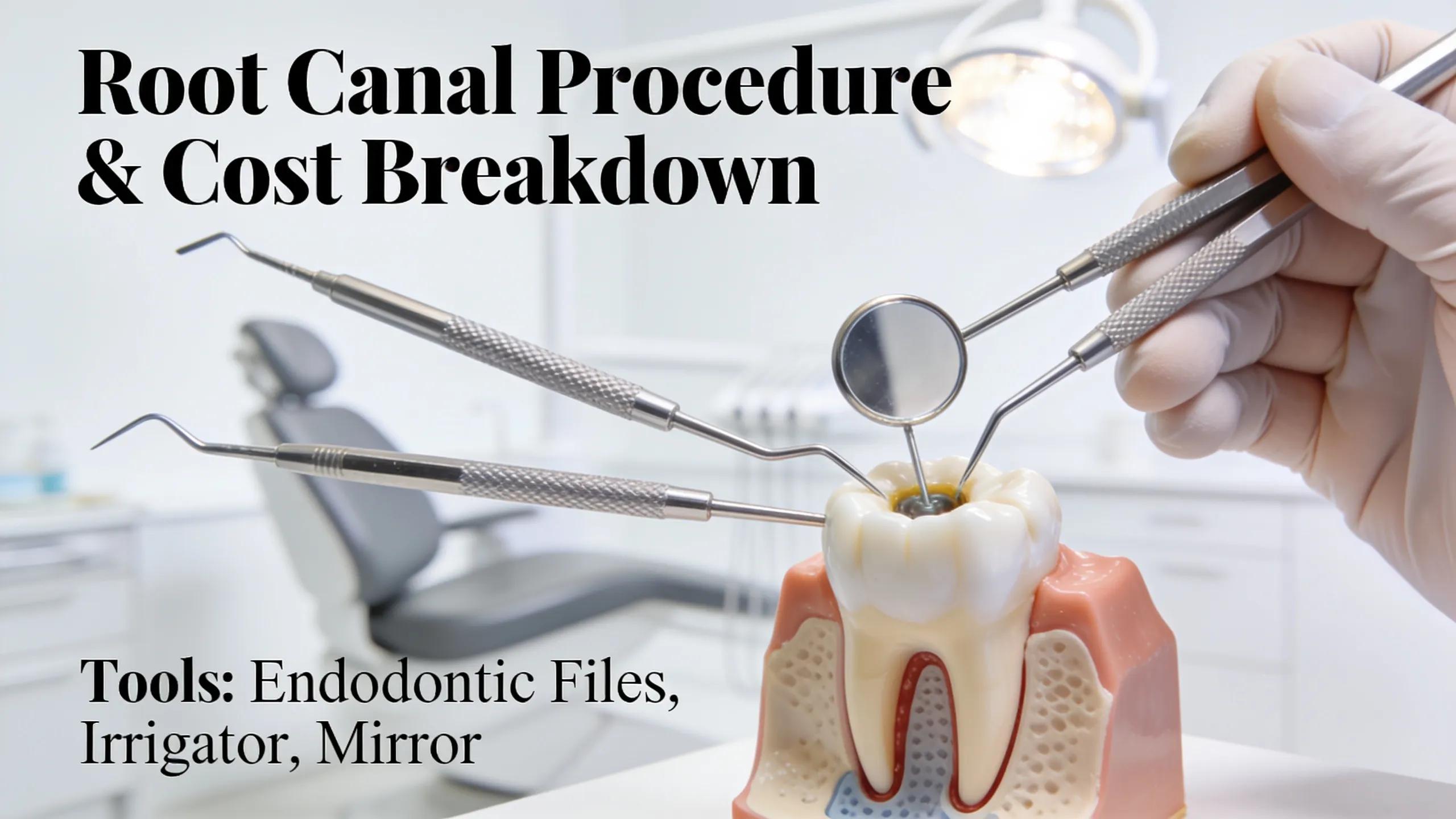 Prices for root canals can vary based on geographical location, complexity of the case, and the dental practice's pricing structure. Generally, root canal treatments without insurance can range significantly, typically averaging between $700 and $1,500. Factors that influence these costs include the tooth's condition, the need for additional treatments, and the use of advanced technology in the procedure.
What Cost Savings Can Membership Plans Offer for Root Canals?
Membership plans provide uninsured patients with significant savings on emergency dental procedures like root canals. For instance, while a root canal may cost from $1,000 to $2000 at a traditional dental office, members of a discount plan can often have that cost reduced anywhere from 10% to 30% or more. In addition to getting discounts on your procedure, another beneficial thing about membership plans is that you know what the treatment is going to cost you ahead of time, which means you aren't surprised with hidden fees after your treatment is complete.
How Much Do Emergency Dental Fillings Cost Without Insurance?
How much you pay for an emergency dental filling will depend on the type of material you use. The two most common materials used are composite resin and amalgam. The silver-colored amalgam filling is the less expensive choice, and costs for it can range between $100 and $160 per tooth, while composite resin, which is tooth-colored, ranges between $150 and $300 per tooth. Once again, the costs can vary even beyond those ranges depending on your location and the type of provider you use.
 .
.
What Constitutes an Emergency Dental Procedure
Knowing what qualifies as a dental emergency is critical in determining when to seek urgent care. That's especially important if you don't have insurance coverage, as self-pay costs for emergency dental care can be high. Urgent or emergency dental needs are situations where ignoring the problem could result in severe pain, infection, or permanent damage.
Examples of urgent cases include intense toothache, swelling, and bleeding that do not subside, while a chipped tooth without pain usually requires a non-urgent visit.
How You Know If You Have a Dental Emergency
There are some key warning signs that will tell you if you are dealing with a dental emergency or not. Understanding what they are can save you time and money. If you experience any of the following, it likely indicates a dental emergency:
Severe and Unrelenting Tooth Pain
Pain that intensifies or is accompanied by swelling, jaw stiffness, or fever.
Bleeding That Won’t Stop
Heavy bleeding or oozing after trauma or dental procedures lasting more than 15 minutes.
Swelling in the Face or Jaw
Noticeable swelling that affects breathing or swallowing.
Loose or Knocked-Out Teeth
Teeth displaced from their normal position or completely avulsed.
Signs of Infection
Pus discharge, bad taste, or persistent bad breath linked to the painful area.
When Pain Signals a Broader Infection Risk
Dental pain that coincides with systemic symptoms, such as fever, chills, malaise, or difficulty breathing, can indicate a spreading infection that requires emergency intervention. Untreated dental infections can lead to serious health issues, including cellulitis or abscesses that spread to vital areas like the eyes, brain, or bloodstream.
Immediate dental or medical care is necessary to control such infections and avoid life-threatening complications. In such cases, you need a provider that is available immediately.
Accessing Emergency Dental Care
Accessing emergency dental care without insurance can present unique challenges, but as you've seen above, you have options to get the care you need. It is always better to keep yourself prepared and informed so that if you have an emergency, you already have a plan in place for getting quick and affordable care. Discount plans provide an affordable alternative to dental insurance, but when you're in an emergency situation, chances are you're not going to have time to sign up for a discount dental plan before you go get care, so it's best to plan ahead. If you would like to learn more about the MedBlue discount plan, chat with a member of our customer support team; they'd be happy to help you find an affordable solution.
FAQs
Here we have compiled a short list of our most frequently asked questions about emergency dental care. If you have questions in addition to this that haven't been answered above, you can connect with a member of our customer support team who would be happy to help.
Will a dentist see me if I have no insurance?
You can see a dentist even if you don't have insurance. Most dentists have a self-pay option so you can generally pay for your visit yourself.
How much is a dentist visit without insurance?
The cost of a dentist visit without insurance will depend on the treatment you need as well as your location and the care options available to you. For serious urgent care dental needs like a root canal, pricing can range from $700 to $1500 and sometimes more depending on your unique situation. Something like a filling can cost between $150 and $300 or more depending on the material used.
Should I go to hospital emergency or urgent care for a toothache?
Both the emergency room and urgent care clinics are not typically staffed with dentists. However, if you need help with alleviating pain before you can see a dentist, you can visit urgent care. If you are experiencing heavy bleeding alongside your toothache or other serious issues like dizziness and loss of breath, then you should visit the emergency room.
How can I find low-cost or free emergency dental services near me?
You should look for community clinics or federally-funded health centers where pricing for dental care is offered based on how much you can afford to pay. In addition to that, you can also look up dental schools, as many of them offer low-cost services provided by their students (who are overseen by licensed teachers).