September 30, 2026
Guide to Diagnostics and Imaging Without Insurance
When your doctor tells you that you need diagnostic imaging and you don't have insurance, you might immediately think: How much is an ultrasound without insurance? How much is a CT Scan without insurance? How much is an X-ray without insurance? And those are valid concerns because diagnostic imaging can be expensive when you don't have a discount tool like insurance to help you pay.
However, many people don't know that there are many alternatives out there today that can provide you with health insurance alternatives so you can afford your diagnostic imaging with discounted costs.
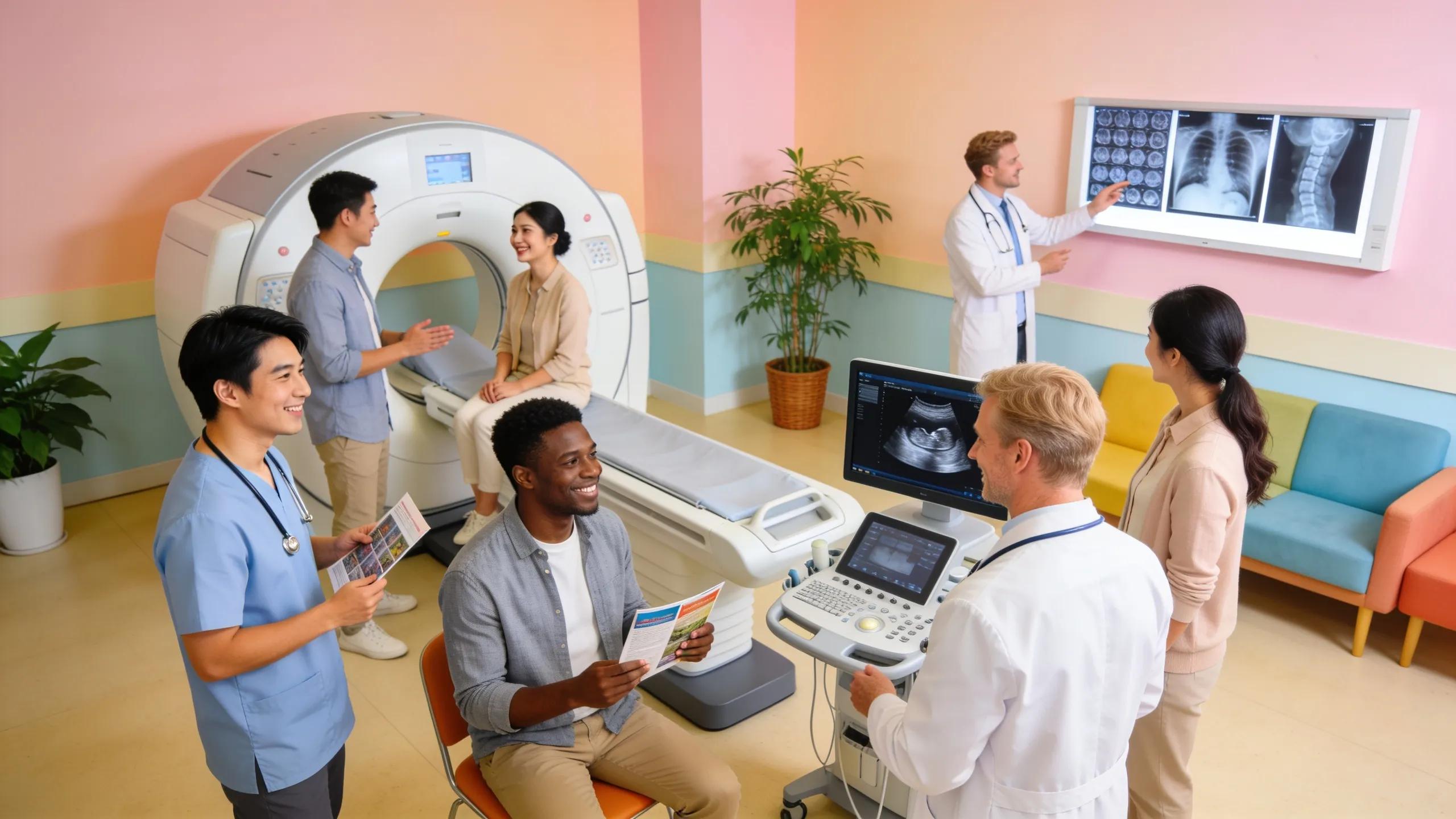 Medical imaging is one of the most unpredictable and opaque areas of American healthcare pricing. A procedure that costs $300 at an independent clinic down the street might be billed at $4,500 by a hospital across town for the exact same scan. And that scan is interpreted by the exact same group of board-certified radiologists. So what gives? Why are costs so different?
Well, it depends on a variety of factors. But the most important thing that you need to know is that you don't have to skip necessary diagnostic tests or empty your life savings for diagnostic imaging. That's because you have a variety of options outside of insurance.
Why Is Medical Imaging So Expensive Out-of-Pocket?
To understand how to get affordable imaging, it helps to understand why the sticker price is so inflated in the first place. When hospitals bill insurance companies, they use an internal price list known as a "chargemaster." These chargemaster rates are artificially elevated to serve as an anchor point for negotiations with commercial insurers. Insurers never pay these rates; they negotiate substantial discounts.
However, if you walk in without insurance and do not ask questions, the billing department often defaults to charging you that raw chargemaster rate.
The Two Bills: Technical Fee vs. Professional Fee
A common surprise for self-pay patients is receiving two separate bills for a single diagnostic test as there is a technical fee which covers the cost of operating the equipment, the physical space, and the technician who conducts the scan. And then there is a professional fee for the licensed physician that analyzes your images and writes the report.
When shopping for cash-pay pricing, always ask for the "global fee", which is an all-inclusive bundled rate that covers both the technical scan and the radiologist interpretation.
Average Out-of-Pocket Costs for Common Scans
Knowing the fair market price gives you the leverage to negotiate and identify whether a quote is reasonable.
How Much is an X-Ray Cost Without Insurance
A standard Xray cost without insurance typically ranges from $40 to $150 per view at an independent clinic or urgent care center, compared to $300 to $1,000+ at a hospital emergency room or hospital outpatient department.
Because X-rays are two-dimensional and use minimal radiation technology, they are among the most accessible diagnostic tools available. If you need a cheap xray for a suspected fracture, sprain, or chest examination:
- Walk-in urgent care clinics frequently publish flat cash rates (often $80–$150, including basic doctor consultation).
- Mobile and community radiology centers often offer multi-view discounts if you need bilateral images (e.g., both knees or wrists).
Learn How Much is an Ultrasound Cost Without Insurance
An ultrasound cost without insurance generally falls between $150 and $450 at a specialized imaging center, whereas a hospital might bill between $800 and $2,500.
Ultrasounds use high-frequency sound waves to generate real-time soft tissue images, making them safe and radiation-free for pelvic, abdominal, vascular, and thyroid evaluations. To find a cheap ultrasound:
- Inquire at outpatient women's health clinics and standalone ultrasound centers.
- Look for standalone vascular or musculoskeletal clinics that offer dedicated self-pay ultrasound menus.
How Much Is a CT Scan Cost Without Insurance
The average ct scan cost without insurance ranges from $250 to $800 at independent outpatient facilities, while hospital systems frequently bill $1,500 to over $6,000.
Computed Tomography (CT or CAT scans) combines multiple X-ray measurements taken from different angles to create cross-sectional tomographic images. Keep in mind:
- Scans with IV Contrast: If your doctor orders a CT scan "with contrast," the facility must administer an iodinated dye, which typically adds $75–$200 to the baseline fee and may require a preliminary kidney function blood test (BUN/Creatinine).
- Head, sinus, and chest CT scans without contrast are generally the most affordable CT procedures.
MRI Cost Without Insurance
An mri cost without insurance averages $350 to $1,200 at an independent facility, compared to $2,000 to $8,500+ in a hospital setting.
Magnetic Resonance Imaging (MRI) uses strong magnetic fields and radio waves to generate detailed images of organs, soft tissues, ligaments, and the central nervous system.
- Open MRI vs. High-Field (Closed) MRI: Open MRIs are often slightly less expensive and more comfortable for claustrophobic patients, but 1.5T or 3.0T high-field closed scanners provide higher resolution for complex neurological or orthopedic conditions.
- Like CT scans, MRIs requiring gadolinium contrast will carry an additional charge.
Alternative Coverage and Payment Models
If you do not have traditional commercial insurance or Medicare/Medicaid, several alternative frameworks can dramatically reduce out-of-pocket diagnostic expenses.
Health Subscription Services & Direct Primary Care (DPC)
Health subscription models provide discounts for healthcare needs like diagnostics and imaging as well as doctor visits, dental care, vision care, prescriptions, and telehealth. MedBlue is an example of a health subscription model where you pay a fixed fee per month or annually and get discounts for a variety of health care needs.
A healthcare subscription is not insurance, but it offers discounts like discounts that employees with insurance get. In today's economy, numerous people do not qualify for traditional insurance like freelance workers, part-time workers as well as seasonal workers, entrepreneurs, and self-employed individuals.
Health Care Sharing Ministries (HCSMs)
Health sharing ministries are faith-based, non-profit organizations where members pool monthly share amounts to pay for one another's qualifying medical expenses. For the most part, members are expected to pay for everyday medical expenses, but the pool helps to pay for extraordinary expenses. If you choose the health ministry route, it's best to clarify what they will and won't pay for.
Federal and Community Health Services
If you have low income or are experiencing financial hardship, federal and community safety-net programs offer diagnostic services at little to no cost.
-
Federally Qualified Health Centers (FQHCs): FQHCs are community-based health clinics funded under Section 330 of the Public Health Service Act. They are legally required to provide care to anyone, regardless of insurance status or ability to pay, using a sliding-fee discount scale tied to the Federal Poverty Guidelines (FPG). If an FQHC does not have an on-site MRI or CT machine, they maintain formal referral agreements with local hospital networks to provide diagnostics at reduced rates.
-
Title X Family Planning Clinics: For pelvic ultrasounds, breast examinations, and reproductive health diagnostics, Title X-funded clinics (such as Planned Parenthood and county health departments) offer sliding-scale fees based on your verified income.
-
National Breast and Cervical Cancer Early Detection Program (NBCCEDP): Administered by the CDC, this program provides low-income, uninsured, and underinsured women access to diagnostic mammograms, breast ultrasounds, and biopsies across all 50 states and U.S. territories.
-
County Health Departments & Public Hospital Districts: Most major metropolitan counties operate safety-net hospital systems funded by local tax revenue. By applying for county medical assistance programs, uninsured residents can access full diagnostic suites for nominal administrative fees.
Actionable Strategies to Secure Lower Imaging Prices
If you must arrange an imaging appointment independently, follow this practical checklist to protect your wallet.
Always Get the Exact CPT Code
Before calling facilities, ask your ordering physician for the specific Current Procedural Terminology (CPT) code.
Diagnostic imaging is categorized by exact anatomical location and methodology. For example:
- : MRI of lower extremity joint (e.g., knee) without contrast.
- : MRI of lower extremity joint with and without contrast.
- : CT Head/Brain without contrast.
- : Chest X-Ray, 2 views.
Calling an imaging center with the exact 5-digit CPT code ensures that the quote you receive is accurate and binding, preventing surprise charges on the day of your appointment.
Choose Independent Outpatient Centers Over Hospitals
Where you get your scan matters far more than who manufactures the machine. An MRI scanner at an independent facility is often identical to the machine in a major medical center (commonly manufactured by GE, Siemens, or Philips).
However, hospital outpatient departments add substantial facility overhead charges to subsidize their 24/7 emergency rooms and administrative operations. Choosing a standalone outpatient radiology center immediately eliminates hospital facility fees.
Ask for the "Prompt Pay" or "Cash-Pay" Discount
Almost all healthcare facilities offer substantial discounts to patients who settle their accounts on or before the date of service. Billing an insurance company costs a provider an estimated $15 to $35 per claim in administrative processing, denials, and delays. When you pay immediately with cash, check, or debit card, the facility saves money and will pass that savings on to you.
Leverage Medical Marketplace Tools
Online healthcare marketplaces allow you to purchase diagnostic imaging vouchers at pre-negotiated cash rates. These platforms partner with accredited radiology centers to offer transparent, all-inclusive pricing online.
- MDSave: Allows you to search by procedure and zip code, purchase a bundled voucher online, and present it at your appointment.
- Green Imaging: A physician-led network providing direct-to-consumer cash rates on advanced imaging across multiple states.
- RadiologyAssist: A nationwide program dedicated to offering fixed, affordable imaging prices for uninsured and high-deductible patients.
Apply for Hospital Financial Assistance (Charity Care)
If your clinical situation requires a hospital setting (e.g., emergency evaluations or highly specialized scans), federal law requires non-profit 501(c)(3) hospitals to maintain a Financial Assistance Policy (FAP).
-
Under Section 501(r) of the Internal Revenue Code, non-profit hospitals cannot charge uninsured individuals higher rates than the amounts generally billed (AGB) to insured patients.
-
Many hospital charity care policies provide a 100% write-off for individuals earning under 200%–300% of the Federal Poverty Level, and sliding-scale discounts for households earning up to 400% FPL.
-
Request a Financial Assistance application from the hospital's patient accounting department before or immediately after your scan.
How MedBlue Can Help
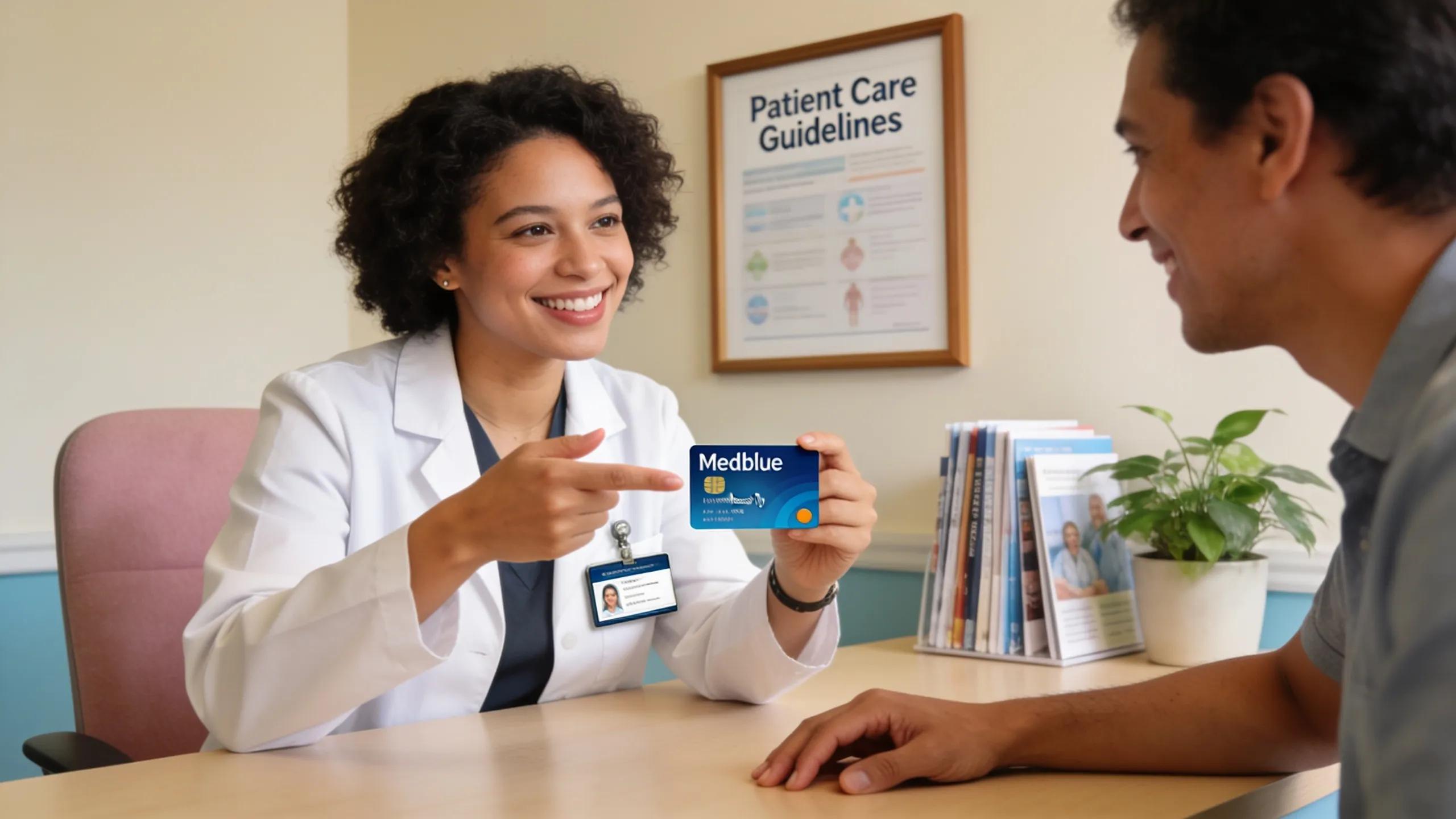
MedBlue offers a monthly or annual subscription that provides discounts on a wide range of diagnostic imaging. The subscription provides low cost MRIs starting at $150 and low cost discount access to vetted health professionals for a wide range of services. In addition to diagnostic imaging services that can bring down you costs by 50% to 70% you also get access to low cost physician visits, dental visits, eyecare visits, prescriptions, free telehealth and a host of other services.
Summary & Next Steps
Living without health insurance does not mean forfeiting access to high-quality diagnostics. By taking an active, informed role in your healthcare purchasing decisions, you can reduce diagnostic costs by 70% to 90%. If you are in a financial hardship situation, you can apply for sliding-scale fee assistance at your nearest Federally Qualified Health Center or submit an application under a non-profit hospital’s Financial Assistance Policy.
If you are interested in learning about MedBlue's health subscription, which provides you with a discount like insurance on diagnostic imaging, check out MedBlue's pricing page, or connect with a MedBlue support specialist for non-insurance clients. They can help you figure out what the best solution is for you.
FAQs
Many uninsured patients have common inquiries surrounding diagnostic imaging without insurance. Addressing these questions can shed light on financial concerns and available options, easing the minds of those who might feel overwhelmed.
How Much Does an MRI Cost Without Insurance?
An MRI can typically cost around $500 when accessed through a standalone imaging center. This figure is markedly lower than rates often charged at hospitals or emergency rooms, which can sometimes exceed $3,000. Understanding these price distinctions allows patients to choose facilities wisely and make economically sound choices for their healthcare needs.
Where Can You Get Affordable CT Scans Near You?
Affordable CT scans can often be found at community health clinics, urgent care facilities, and specialized imaging centers. Prices for these scans generally range from $300 to $1,500. Patients searching for these services should compare local pricing, considering both the quality and credentials of the providers to ensure they receive appropriate care without financial compromise.
What Are the Common Medical Imaging Procedures?
Common medical imaging procedures include MRIs, CT scans, and X-rays, each serving unique diagnostic purposes.
Which Imaging Services Are Available at Low Cost?
When seeking medical imaging services without insurance, you can find affordable options through various clinics and facilities. Many healthcare providers offer low-cost alternatives for essential imaging procedures. Patients can look for "community health centers", urgent care clinics, or standalone imaging facilities that specialize in providing these services at reduced rates.
Can I get an MRI or CT scan without health insurance?
You do not need health insurance to receive an MRI, CT scan, X-ray, ultrasound, or most other diagnostic imaging services and if your healthcare provider orders the test, you can usually choose the imaging center where you have it performed. Many independent imaging centers offer discounted cash prices if you don't have insurance.