
Here's the nuance: six months is a starting point, not a universal rule. The real value of routine visits is prevention, early detection, and a care plan built around your mouth. This article covers what a checkup involves, why visits matter when nothing hurts, who may need a different schedule, and how to afford care.
Key Takeaways
- Checkups usually pair a cleaning with an exam, but your ideal timing depends on your risk factors.
- Cavities and gum disease can develop without pain.
- Children, people with gum disease, and patients with certain medical conditions may need a different schedule.
- Brushing and flossing support professional care but don't replace it.
- Self-pay prices and discount plans can make preventive care reachable without insurance.
What Are 6-Month Dental Checkups?
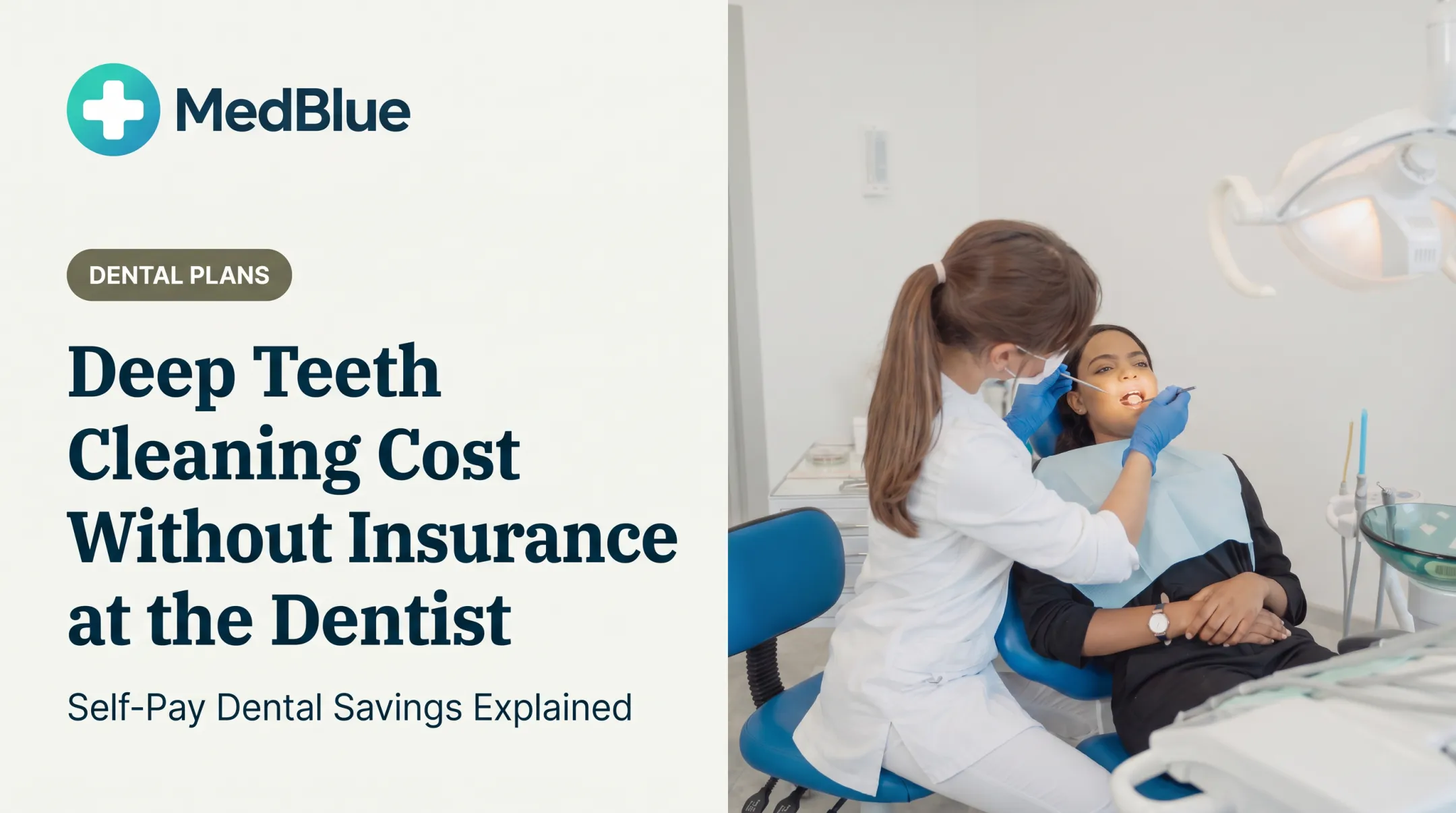
A six-month checkup is a preventive appointment that typically includes an oral exam, a professional cleaning, and a gum assessment. Your dentist may add other diagnostics when there's a clinical reason.
The ADA's MouthHealthy guidance says some people need one visit a year, others two, and others more. There's no one-size-fits-all approach. Your dentist may shorten or lengthen the interval based on your findings, dental history, medical history, and risk.
X-rays are not automatic. The ADA's January 2026 recommendations say images should be ordered only when clinically necessary, after reviewing your history, prior images, and exam findings. Visit timing and X-ray timing are separate decisions.

Key Advantages of 6-Month Dental Checkups
Regular visits give you cleaner teeth, earlier awareness of changes, and guidance tailored to you instead of a generic calendar. Seeing the same team over time also lets them compare how your mouth changes.
Professional Cleaning Removes Buildup Home Care Can't
A hygienist uses hand instruments or ultrasonic scalers to remove plaque and hardened tartar, including below the gumline. Polishing then smooths the surface and removes stains, and you get personalized home-care tips.
Why it matters:
- Plaque can harden into tartar, and only a professional cleaning removes established tartar.
- Bacteria in plaque and tartar can inflame gums.
- Bacteria exposed to sugars produce acids that strip minerals from enamel.
Don't try to scrape tartar off yourself. Improper tools or technique can injure gums and scratch tooth surfaces.
One honest caveat: a Cochrane review found little or no difference in gingivitis or gum pocket depth when regular adult patients without severe periodontitis got scheduled scaling and polishing versus none. Cleaning still removes tartar, but it isn't a guarantee against every dental problem.
Exams Can Catch Problems Early
During an exam, your dentist may evaluate:
- Early decay
- Gum inflammation
- Changes around fillings or crowns
- Tooth damage and bite concerns
- Unusual changes in the soft tissues, including an oral cancer screening
Lack of pain doesn't mean health. Early decay usually causes no symptoms, and gingivitis often brings little discomfort. Left alone, gingivitis can progress to periodontitis, which destroys supporting tissue and bone.
Catching problems early may give you more treatment options and fewer surprises. It doesn't guarantee specific savings or outcomes.
Visits Support Individualized Advice
Repeat visits help your dental team spot patterns: plaque buildup, bleeding, sensitivity, dry mouth, grinding, diet, tobacco use, or medication changes. That leads to practical adjustments, such as:
- Changing your brushing or interdental cleaning technique
- Monitoring a specific tooth
- Shortening or lengthening your recall interval
- Arranging follow-up care
Several factors may affect your schedule, and your dentist should assess them individually:
| Factor | Why it matters |
|---|---|
| Diabetes | ADA lists it as a gum disease risk factor |
| Tobacco use | Raises gum disease risk |
| Dry mouth or certain medicines | Reduced saliva raises decay risk |
| Pregnancy | Hormonal changes can aggravate gum inflammation |
| Frequent cavities or active gum disease | Often calls for closer monitoring |
Children need an individualized schedule too. The American Academy of Pediatric Dentistry recommends a first exam when the first tooth erupts, and no later than 12 months. After that, visits are generally every six months or as risk dictates.
What Happens When 6-Month Checkups Are Missed or Ignored
Skipping routine care lets plaque, tartar, early cavities, and gum inflammation continue without anyone evaluating them. Problems become more noticeable, treatment can become more involved, and you may shift from planned preventive care to urgent problem-solving.
Waiting for pain gives a false sense of security. Nationally, about 20.5% of adults ages 20-64 have untreated decay in permanent teeth. Roughly 42% of adults 30 and older have periodontitis, per CDC and ADA figures. Those numbers show the overall burden, not the effect of a single missed visit.

Cost can pile up when issues go untreated:
- Root canals or extractions often cost $1,000 or more once a cavity reaches the nerve
- Dentures or implants after tooth loss can run $3,000 or more
When to Call Sooner
Contact a dental professional promptly for:
- Persistent tooth pain
- Swelling or bleeding gums
- Sensitivity that's new or worsening
- A broken tooth or loose filling or crown
- Pain when chewing
- A mouth sore, lump, or patch lasting more than two weeks
Safety note: Facial swelling, fever, difficulty swallowing, or difficulty breathing may need urgent medical or dental attention. Don't wait for a routine appointment.
How to Get the Most Value from 6-Month Dental Checkups
Follow the Interval Recommended for Your Mouth
Ask your dentist why they suggest a particular schedule. Ask whether gum health, cavity history, medications, tobacco use, dry mouth, pregnancy, orthodontics, or implants should change it.
Prepare for the Appointment
Bring up new symptoms, medication or health changes, pregnancy status when relevant, and any concerns. Ask about X-rays, cleaning frequency, and treatment priorities.
Keep Up Habits Between Visits
The ADA recommends:
- Brushing twice daily for at least two minutes with fluoride toothpaste
- Cleaning between teeth daily
- Limiting sugary and acidic drinks and snacks
Call the office when something new appears instead of waiting for your next visit.
Address Cost Before It Delays Care
Among adults ages 19-64, 21% had no dental coverage in 2024, and the figure was 37% for ages 65 and older. If that's you, compare self-pay prices and payment policies. Federally supported health centers may offer income-based fees, and dental or hygiene schools often provide lower-cost supervised care.
Discount plans are another option. MedBlue, a Florida-founded, licensed Discount Plan Organization, offers memberships starting at $59 per month with discounted dental services, available in all 50 states and Puerto Rico.
MedBlue lists a $0 member price for a preventive exam, cleaning, and X-rays, compared with an estimated $75-$200 for a cleaning in the Florida market without insurance.

A discount plan is not dental insurance. Members pay discounted charges directly to the dentist. Before enrolling:
- Confirm your dentist participates in the network
- Check current discounts, eligibility, and exclusions
- Ask for the actual cost of the checkup or cleaning
- Note the cancellation window (MedBlue lists 30 days) and when benefits start
Conclusion
Six-month checkups earn their place because they combine a professional cleaning, an exam, and ongoing guidance, even if your ideal interval differs. Daily home care and professional visits work as a pair, and neither fully replaces the other.
If you're overdue, having symptoms, or unsure of your schedule, call a dentist and ask what preventive plan fits you.
Frequently Asked Questions
Are dental cleanings every 6 months really necessary?
They suit many people, but not everyone needs exactly that interval. Your dentist should set the schedule based on your risk and exam findings.
Do dental cleanings need to be exactly 6 months apart?
A few weeks' variation won't undo the benefit. Follow the interval your dentist recommends, and don't stretch it without their guidance.
Do kids really need to see a dentist every 6 months?
Children need regular visits, starting by age one. Timing depends on age, tooth development, hygiene, cavity risk, and past findings, so let their dentist decide.
Can I skip a dental checkup if my teeth do not hurt?
Not safely. Cavities, gum disease, and problems around dental work can develop with no obvious symptoms.
What happens during a six-month dental checkup?
Expect a health history review, an exam of your teeth, gums, and soft tissues, and a professional cleaning. X-rays or other diagnostics are added only when clinically appropriate.
Who may need dental visits more often than every six months?
People with active gum disease, frequent decay, dry mouth, tobacco use, certain medical conditions or medicines, orthodontic treatment, or extensive dental work. Ask your dentist what applies to you.